Building a custom home along the North Carolina coast is fundamentally different from building in many inland environments. The same architectural ideas that work well in other regions must be approached with greater discipline when they are applied near the water. Coastal conditions introduce environmental forces that influence not only the design of a home but also the way it must be constructed from the ground up.
Humidity levels remain high for much of the year. Salt carried through the air accelerates corrosion in exposed metals. Wind exposure is stronger and more consistent, particularly in open waterfront areas. Seasonal storms introduce additional structural demands, and flood zone regulations often shape the elevation and foundation of the home.
Because of these factors, the construction process itself must be adapted to the coastal environment. Building sequencing, material handling, structural installation, and weather protection all require a level of planning that goes beyond the typical residential construction process.
At Longshore Custom Homes, coastal construction is not treated as a variation of inland building methods. It is approached as a specialized discipline. Each phase of construction must account for environmental conditions that will continue to influence the home long after the project is complete.
Coastal Construction Begins Long Before Framing Starts
Many homeowners imagine construction beginning when the first excavation equipment arrives on site. In coastal environments, however, the building process effectively starts long before physical work begins.
Site evaluation is one of the earliest and most important steps. Coastal lots can vary dramatically in soil composition, elevation, drainage patterns, and wind exposure. Even neighboring properties may require different construction approaches depending on how the land interacts with water and weather conditions.
Before construction begins, builders typically assess several factors:
• elevation relative to FEMA flood zones
• soil stability and bearing capacity
• drainage movement across the property
• proximity to tidal water or marshland
• prevailing wind direction
• sun exposure and site orientation
These early evaluations influence nearly every aspect of the construction plan, from foundation design to structural engineering and material selection.
When coastal construction is approached thoughtfully from the beginning, the building process becomes far more predictable and efficient.
Foundation Work Often Requires Specialized Engineering
Foundation systems play an especially important role in coastal homes because they must respond to both structural loads and environmental conditions.
In many coastal areas, soil characteristics differ significantly from inland properties. Sandy soil, moisture-rich areas near marshland, and shifting ground conditions require careful evaluation before foundation work begins.
Depending on the site, foundations may involve several structural strategies:
• elevated pier systems
• driven pilings anchored into deeper soil layers
• reinforced beam foundations
• engineered drainage around foundation supports
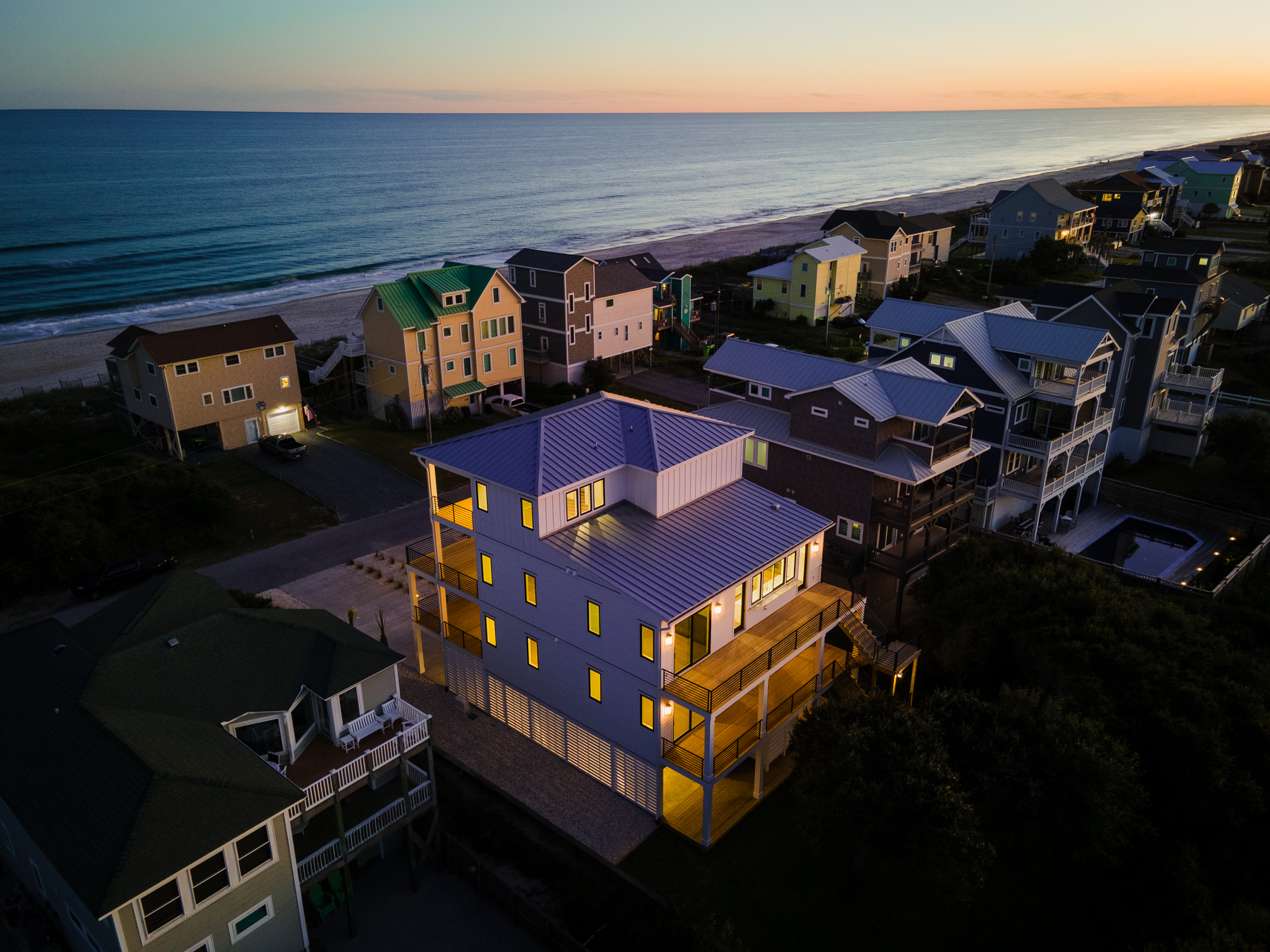
Elevated foundations are particularly common in coastal homes. By raising the main living areas above potential flood levels, the home gains an additional layer of protection against storm-related water intrusion.
Elevated construction also promotes airflow beneath the home, which can help reduce moisture accumulation around structural framing and improve long-term durability.
Structural advantages of elevated coastal foundations
Construction Feature
Long-Term Benefit
Elevated floor systems
Protect living spaces from potential flood conditions
Increased airflow beneath the structure
Reduces moisture accumulation
Structural separation from ground moisture
Improves the durability of framing components
Adaptability to uneven terrain
Allows construction on challenging coastal lots
The foundation may be one of the least visible elements of the finished home, but it is one of the most critical components of long-term performance.
Coastal Framing Requires Greater Structural Reinforcement
Framing is another stage of construction where coastal conditions influence the process significantly.
Inland homes are often designed to withstand moderate wind exposure, but coastal homes must account for stronger and more sustained wind forces. Structural framing systems must be reinforced to resist uplift pressures and lateral wind loads that occur during storm events.
This reinforcement typically includes a series of engineered structural connections throughout the building.
Common structural reinforcements include:
• hurricane ties connecting roof framing to wall systems
• metal connectors securing structural framing members
• reinforced shear walls to resist lateral movement
• specialized fastening patterns for roof decking
These structural elements help ensure that wind loads are distributed throughout the building rather than concentrated at weak points.
Although most homeowners never see these connectors once construction is complete, they play a vital role in the resilience of coastal homes.
Weather Protection During Construction Is Especially Important
One of the most overlooked differences in coastal construction is the need to protect materials and structural components during the building process itself.
Coastal environments expose building materials to humidity, salt air, and sudden weather changes. Without proper protection, these conditions can affect materials before they are even installed.
For this reason, careful scheduling and site management become essential.
Builders often coordinate construction phases to reduce unnecessary exposure of structural materials to environmental conditions. Framing, roofing, and exterior enclosure must be sequenced carefully so that the structure is protected as early as possible in the process.
Temporary protection measures may include:
• covering framing materials before installation
• sealing exposed areas quickly after framing
• installing roof systems as early as possible
• protecting interior spaces from rain during construction
These steps help ensure that the home begins its life in optimal condition rather than being exposed to unnecessary environmental stress during construction.
Moisture Management Must Be Built Into the Entire Structure
Coastal humidity introduces ongoing moisture challenges that influence nearly every aspect of construction.
Even small amounts of trapped moisture inside wall assemblies can gradually affect insulation, framing, and finishes over time. Preventing this requires careful planning during both design and construction.
Effective coastal construction integrates several layers of moisture protection:
• weather-resistant barriers behind exterior siding
• flashing systems around windows, doors, and roof penetrations
• ventilation systems in attic and roof assemblies
• drainage planes that allow moisture to escape wall cavities
When these systems work together, they create a building envelope that can manage moisture effectively while protecting the structural integrity of the home.
Signs of strong moisture control in coastal construction
• properly installed flashing around all exterior openings
• sealed transitions between building materials
• continuous weather barriers behind cladding
• ventilated roof systems that allow warm air to escape
• drainage paths that move water away from the structure
These systems are rarely visible once the home is finished, but they are essential to long-term durability.
Material Handling Requires Greater Attention Near the Coast
Material selection is only part of the equation in coastal construction. How those materials are handled during installation also matters.
Salt air, humidity, and sudden weather changes can affect certain materials if they are exposed for extended periods before installation.
Builders must coordinate delivery schedules and installation timing carefully so materials are installed promptly and protected when necessary.
Exterior fasteners, connectors, and hardware must also be chosen specifically for coastal environments.
Common coastal material priorities
Building Component
Coastal Performance Priority
Structural connectors
Corrosion-resistant metals
Exterior fasteners
Stainless steel or coated fasteners
Siding materials
Resistance to moisture and UV exposure
Roofing materials
High-wind installation systems
Exterior trim
Durable materials designed for coastal weather
These materials help ensure the home maintains both structural integrity and visual quality over time.
Roofing Systems Must Be Installed With Wind Resistance in Mind
Roof construction is one of the most critical phases of coastal homebuilding.
Roofs experience constant exposure to sun, wind, and rain, and during storms they are often subjected to powerful uplift forces.
To resist these forces, roofing systems must be installed with strict adherence to structural fastening standards and underlayment requirements.
Roof assemblies typically include several protective layers:
• reinforced roof decking
• high-performance underlayment systems
• carefully installed flashing around roof penetrations
• roofing materials installed with coastal fastening patterns
Coastal building tip
A durable roof system depends not only on the roofing material itself but on the entire assembly beneath it. Proper fastening, ventilation, and underlayment installation all contribute to long-term roof performance.
When installed correctly, the roof acts as the home’s first line of defense against coastal weather.
Trade Coordination Becomes More Important in Coastal Projects
Coastal construction often requires closer coordination between trades than many inland projects.
Foundation engineers, framers, mechanical installers, roofing specialists, and finish trades must all work within a carefully sequenced schedule that protects the structure as it progresses.
Timing matters. Certain stages of construction must occur in a specific order to prevent weather exposure or structural complications later in the project.
Builders who regularly work in coastal environments understand how to coordinate these phases efficiently. Experience allows them to anticipate potential challenges and plan construction timelines accordingly.
A Well-Built Coastal Home Reflects the Entire Construction Process
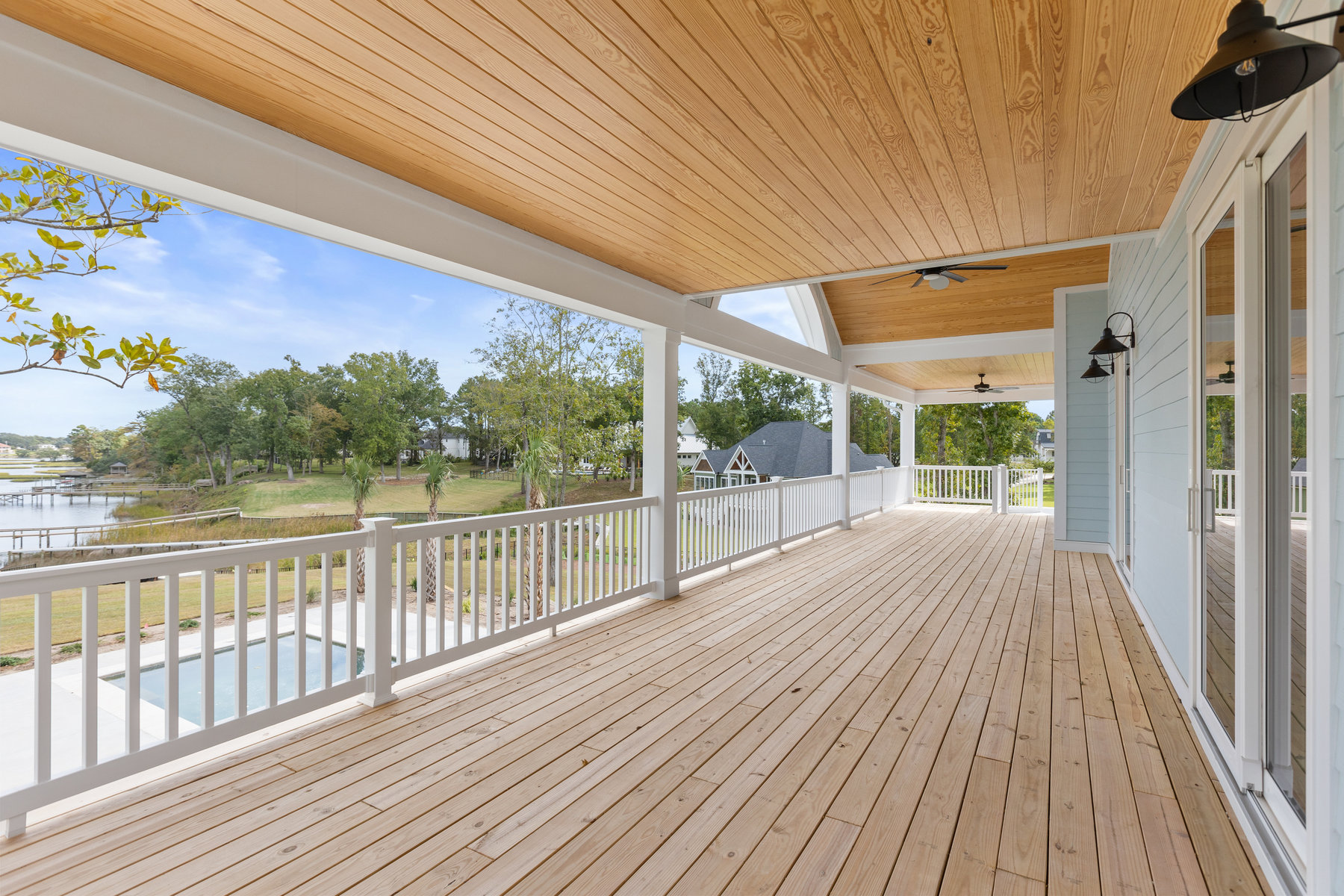
When homeowners walk through a completed coastal home, they often see the architectural beauty first. Large windows frame water views, natural light fills open living spaces, and outdoor areas blend seamlessly with the surrounding landscape.
What they rarely see are the construction decisions that made the home durable enough to exist in that environment.
Foundation engineering, structural reinforcement, moisture protection, material selection, and construction sequencing all contribute to the success of the finished home.
Longshore Perspective
Coastal construction requires more than simply adapting standard building practices. It requires understanding how environmental conditions influence every stage of the building process. Experience working along the Carolina coast allows builders to anticipate these challenges and integrate structural solutions directly into the construction plan.
Building Homes That Perform Along the Carolina Coast
Homes built along the North Carolina coast must do more than capture beautiful views. They must withstand an environment shaped by wind, moisture, salt air, and changing weather patterns.
When the construction process is designed with these realities in mind, the result is a home that performs confidently year after year.
Key Takeaway
Coastal homes require a construction process that accounts for environmental forces from the very beginning. From foundation engineering and structural reinforcement to moisture control and material selection, each stage of construction plays a role in shaping the long-term durability of the home. When these elements are executed with discipline, the result is a home that stands strong against coastal conditions while maintaining comfort and beauty.
Build a Coastal Home Designed for Long-Term Performance
If you are planning to build a custom home along the North Carolina coast, the construction process itself is one of the most important factors in long-term durability. At Longshore Custom Homes, every project is approached with a clear understanding of coastal building conditions and the structural discipline required to build with confidence near the water.
If you are exploring the possibility of building in Wilmington or the surrounding coastal communities, our team would be happy to discuss how thoughtful planning and coastal construction expertise can shape a home designed to perform beautifully for decades.