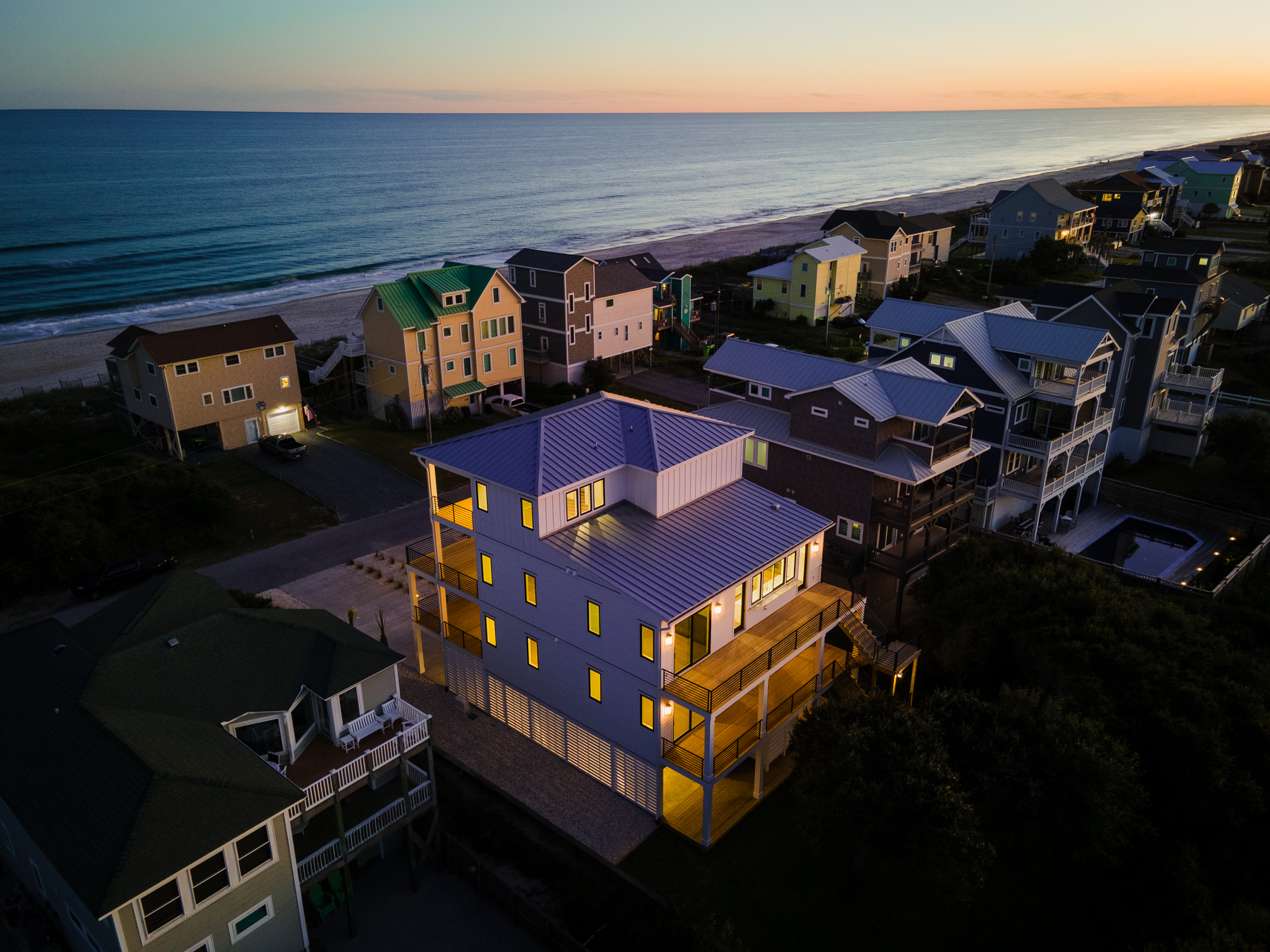
Building along the North Carolina coast demands more than aesthetic awareness. It requires structural discipline, environmental foresight, and a construction process designed specifically for coastal conditions.
At Longshore Custom Homes, we operate as a coastal construction company in NC with one primary focus: delivering homes that perform as beautifully as they look. From Wilmington to Hampstead and Surf City, coastal construction is not a side service for us. It is the foundation of how we build.
The Carolina shoreline presents unique demands. Salt air accelerates corrosion. High humidity challenges interior comfort. Wind exposure requires reinforced structural systems. Flood zones dictate elevation strategy. These variables shape every decision long before finishes are selected.
A coastal home must be engineered first, designed second, and executed with precision throughout.

Why Coastal Construction Requires Specialized Experience
Not every builder is equipped for coastal work. Inland construction methods often fall short when applied near the water.
A true coastal construction company in NC must account for:
- Salt-laden air that impacts hardware and exterior assemblies
- FEMA flood zone requirements
- Increased wind-load engineering standards
- Soil variability near marshland and barrier islands
- Moisture management demands year-round
At Longshore, coastal realities inform the design process from day one. We evaluate environmental exposure, elevation requirements, and structural systems before architectural plans are finalized.
This early integration reduces risk and protects long-term durability.
Engineering and Structural Integrity Come First
Coastal North Carolina’s building codes reflect the region’s exposure to hurricanes and severe storms. Structural planning must include:
- Continuous load paths from roof to foundation
- Reinforced roof framing for wind uplift resistance
- Shear wall integration for lateral stability
- Corrosion-resistant fasteners and connectors
Depending on lot location, foundations may require:
- Elevated pile systems
- Reinforced concrete structures
- Engineered anchoring strategies
At Longshore Custom Homes, we approach every project with structural resilience as a baseline requirement, not an upgrade.
A coastal residence should provide security during storm season and stability for decades to come.
Elevation and Floodplain Strategy
Many properties along the North Carolina coast fall within regulated flood zones. Elevation planning influences more than compliance. It impacts architectural proportions, entry sequences, and structural loads.
A disciplined coastal construction company coordinates:
- Flood zone analysis
- Base Flood Elevation requirements
- Elevation certificates
- Local permitting documentation
At Longshore, elevation is integrated into the design narrative. When planned correctly, elevated living spaces enhance views and airflow rather than appearing forced or disconnected.
Flood compliance is not simply about meeting code. It is about protecting the homeowner’s investment.
Material Selection for Coastal Durability
Salt exposure accelerates corrosion. Humidity affects interior finishes. Storm conditions stress exterior assemblies.
Material selection must be performance-driven.
Exterior strategies often include:
- Impact-rated coastal-certified windows and doors
- Stainless or hot-dipped galvanized fasteners
- Durable siding systems designed for salt exposure
- Roofing assemblies engineered for wind resistance
Interior systems focus on:
- Proper insulation and air sealing
- Controlled ventilation
- Moisture-resistant subfloor systems
- HVAC design that manages humidity effectively
At Longshore Custom Homes, we evaluate materials through the lens of long-term durability, not just immediate visual appeal.
Coastal construction demands that every component work as part of a coordinated system.
Building Envelope and Moisture Management
One of the most significant risks in coastal environments is moisture intrusion. The building envelope must be treated as a technical assembly rather than a decorative layer.
This includes:
- Advanced flashing installation
- Sealed window and door systems
- Weather-resistant barriers
- Drainage strategies for heavy rainfall
Proper envelope detailing protects structural framing, improves energy efficiency, and maintains indoor air quality.
Attention to these systems is what separates a general contractor from a specialized coastal construction company in NC.
Regulatory Coordination and Permitting
Coastal North Carolina communities often require additional regulatory approvals, including:
- Floodplain development permits
- Coastal Area Management Act (CAMA) considerations
- Engineering certifications
- Environmental compliance reviews
A knowledgeable team anticipates these requirements before submitting plans. Proactive coordination prevents delays and protects project timelines.
At Longshore, permitting is integrated into pre-construction planning so that approvals align with construction sequencing.
Architectural Clarity with Coastal Intent
While engineering drives performance, architecture defines experience.
Coastal homes should respond to:
- Sun orientation
- Prevailing winds
- Water or marsh views
- Outdoor living priorities
Design often emphasizes:
- Expansive glazing for natural light
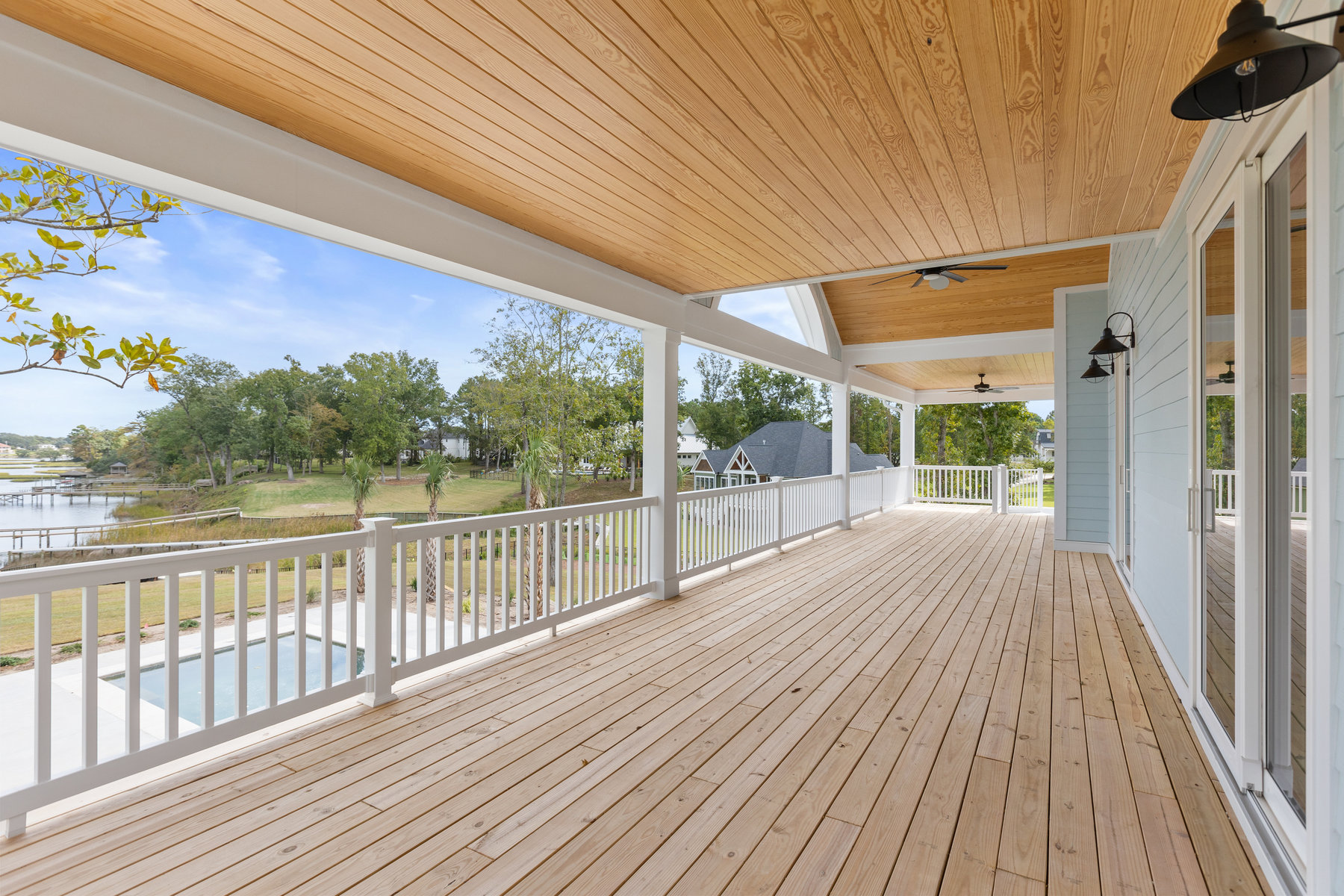
- Covered porches and decks
- Open interior layouts
- Elevated outdoor spaces
When structural planning and architectural vision are aligned, the result is a residence that feels grounded in its setting.
Coastal design must be both expressive and disciplined.

Budget Transparency in Coastal Projects
Coastal construction introduces variables that influence cost, elevation systems, enhanced structural requirements, and specialized materials.
At Longshore Custom Homes, budgeting is integrated early through:
- Detailed pre-construction modeling
- Clear allowance structures
- Trade partner coordination
- Transparent communication
Predictability reduces stress and supports informed decision-making.
The goal is not to eliminate complexity, it is to manage it responsibly.
What to Look for in a Coastal Construction Company in NC
When evaluating a builder for a coastal project, consider asking:
- How do you approach wind-load engineering?
- What is your strategy for flood zone compliance?
- How do you protect against moisture intrusion?
- What materials do you recommend for salt-air exposure?
- How is budgeting integrated into design?
The answers reveal whether a builder operates with coastal specialization or general construction practices.
Coastal construction requires experience, discipline, and systems thinking.
Building with Longshore Custom Homes
As a dedicated coastal construction company in NC, Longshore Custom Homes integrates engineering, architecture, budgeting, and project management into one cohesive process. Our experience along the Carolina shoreline allows us to anticipate site challenges, coordinate regulatory requirements, and deliver homes built for long-term performance.
If you are planning to build along the North Carolina coast, we invite you to begin the conversation with Longshore. A well-built coastal home starts with a unified strategy, and the right team guiding it from concept through completion.
Schedule a consultation with Longshore Custom Homes to discuss your coastal project. Let’s design and build a home that reflects the beauty of the shoreline while standing strong against it for years to come.