Deciding to build a custom home on the North Carolina coast rarely begins with drawings or budgets. It usually starts with a quieter moment. A question that lingers in the background while looking at land, browsing inspiration, or imagining a different way of living.
Is this the right time?
For many homeowners, uncertainty does not come from lack of interest. It comes from understanding that a coastal custom home is a meaningful commitment. Not just financially, but emotionally, logistically, and over time.
This article explores the honest questions homeowners tend to ask themselves before moving forward, often privately, sometimes repeatedly. There are no definitive answers here, only clarity, context, and perspective to help you decide whether now is the right moment for you.
Am I Ready to Commit to a Long Process?
One of the first realities homeowners grapple with is time. A custom home is not a quick decision or a short project. From early planning through completion, the process can span months or longer, especially in coastal areas where design coordination and regulatory review add layers.
This does not mean the process is constantly demanding, but it does require patience. There will be periods of momentum and periods of waiting. There will be moments of excitement followed by quieter stretches where progress happens behind the scenes.
Being ready does not mean wanting everything to happen immediately. It means understanding that thoughtful work takes time and being comfortable letting decisions unfold at the right pace.
A helpful reflection is not how fast you want the home, but how comfortable you are with a process that evolves gradually and deliberately.
Do I Understand What Coastal Construction Really Involves?
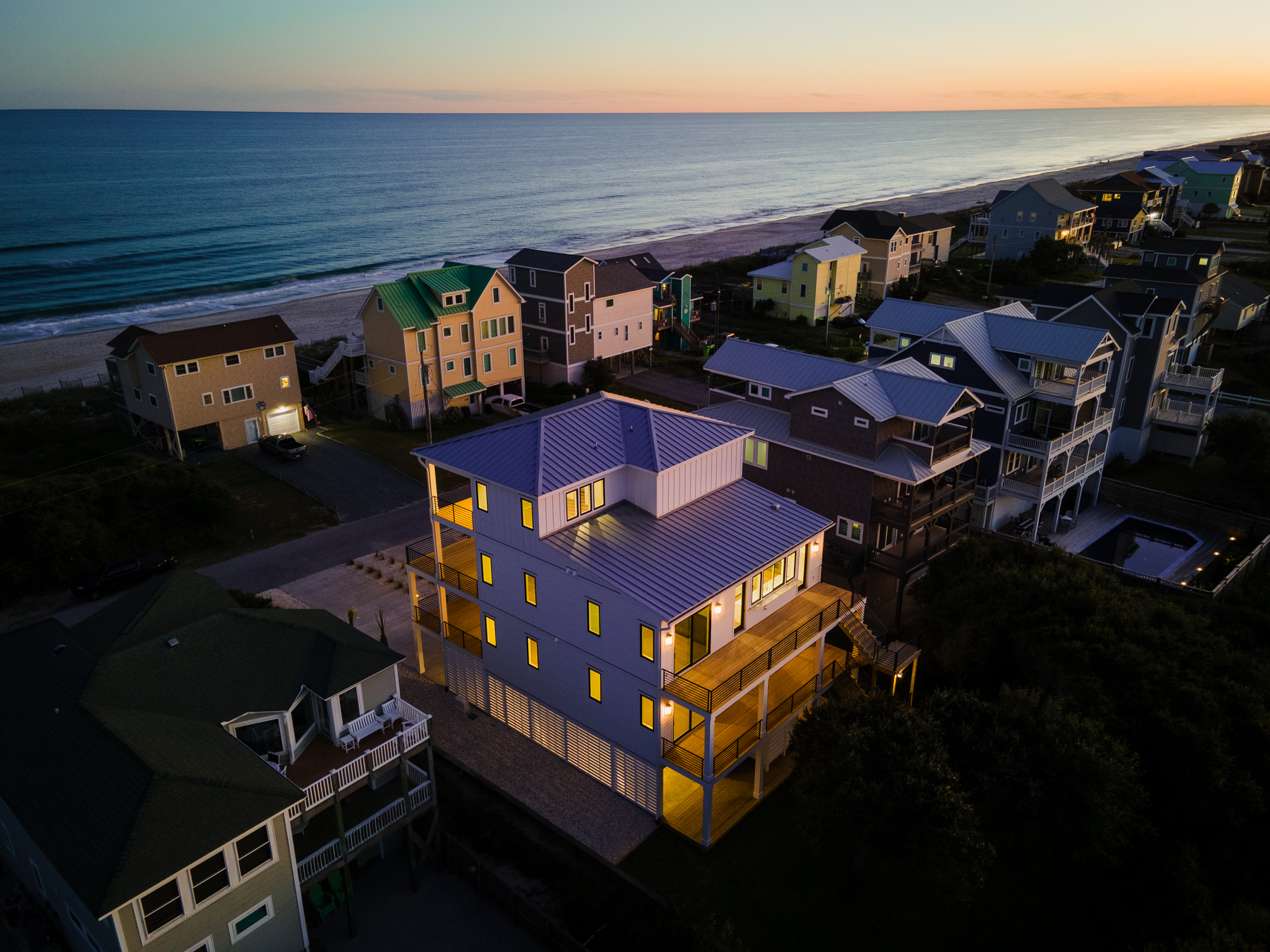
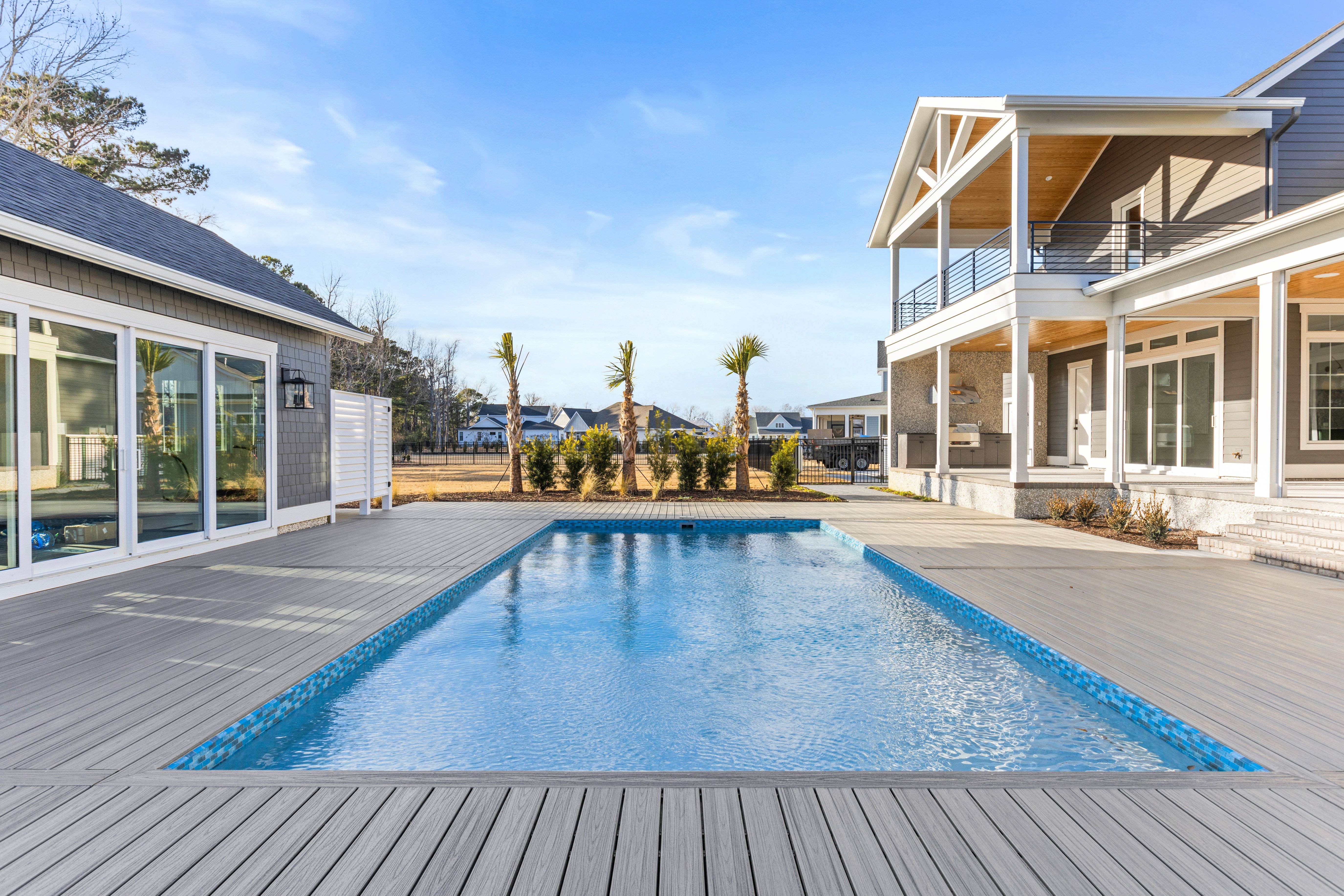
Building near the coast introduces realities that are easy to underestimate early on. Environmental exposure, regulatory requirements, and long-term durability all influence how a home is designed and built.
Many homeowners begin with a general idea of coastal living without fully understanding how wind, moisture, elevation requirements, and material performance shape construction decisions. These factors do not make building more difficult, but they do make it more intentional.
Coastal construction rewards planning and foresight. Homes that perform well over time are often the result of choices that prioritize resilience, compatibility, and long-term care rather than appearance alone.
Feeling ready often comes from shifting expectations. A coastal custom home is not about replicating an image. It is about creating something that belongs where it is built.
How Comfortable Am I With Uncertainty?
No matter how well planned a custom home is, uncertainty is part of the process. Material lead times can change. Weather can affect schedules. Regulatory reviews may take longer than anticipated.
For some homeowners, this uncertainty feels unsettling. For others, it becomes manageable once they understand where flexibility exists and where it does not.
Readiness is less about eliminating uncertainty and more about understanding how to respond to it. Projects tend to feel smoother when homeowners accept that not every variable can be controlled, but many can be anticipated.
If the idea of occasional unknowns feels overwhelming, it may be worth slowing down and learning more before committing. Confidence often grows with understanding.
Am I Clear on Why I Want to Build?
One of the most grounding questions homeowners can ask is why they want to build rather than buy or renovate.
Some want a home tailored to daily routines and long-term living. Others want durability, efficiency, or a connection to a specific piece of land. Some are drawn to the creative process itself.
Being honest about motivation matters because it influences decisions throughout the project. When challenges arise, clarity of purpose provides perspective.
If the answer feels vague or externally driven, more reflection may be helpful. When the reason is personal and well understood, the process tends to feel more rewarding, even when it becomes complex.
What Happens If I Change My Mind Mid-Project?
Change is a common concern, and for good reason. Custom homes involve many decisions, and it is natural for preferences to evolve.
Some changes are easy to accommodate early on. Others become more complex or costly once construction is underway. Understanding the timing of decisions helps homeowners feel more confident moving forward.
Readiness does not require certainty about every detail. It requires an awareness that decisions have weight and that clarity improves outcomes.
Many homeowners find that working through possibilities thoughtfully early reduces the need for later changes. The goal is not perfection, but alignment.
Do I Know What Decisions Matter Most Early?
Not all decisions carry the same long-term impact. Layout, orientation, structural systems, and material strategies often influence comfort and durability far more than surface finishes.
Homeowners who feel overwhelmed by choices sometimes focus on details too early, before foundational decisions are settled. This can create fatigue and confusion.
Being ready often means understanding which decisions deserve early attention and which can wait. This perspective brings calm to the planning process and helps energy stay focused where it matters most.
Am I Prepared for the Emotional Side of Building?
Building a custom home is an emotional experience, even for those who consider themselves practical and analytical.
There are moments of excitement when ideas come together and moments of doubt when complexity feels heavy. This is normal. It does not mean something is wrong.
Emotional readiness comes from knowing that uncertainty and reflection are part of creating something meaningful. Many homeowners find that the process mirrors other major life decisions, requiring patience, trust, and perspective.
Recognizing this ahead of time can make the journey feel less isolating.
How Do I Know If My Expectations Are Realistic?
Expectations shape experience. Unrealistic expectations often lead to frustration, while informed expectations create confidence.
This applies to timelines, costs, decision-making, and even daily involvement. Some homeowners expect to be deeply hands-on. Others prefer a more guided experience.
There is no right approach, but there is value in understanding what you expect from the process and whether those expectations align with reality.
Feeling ready often means being open to learning and adjusting expectations as understanding deepens.
Am I Thinking Long Term or Short Term?
Coastal homes are built for exposure. Salt air, humidity, sun, and storms all influence how a home ages.
Short-term thinking often prioritizes appearance or initial cost. Long-term thinking considers maintenance, performance, and durability over decades.
Neither approach is wrong, but they lead to different decisions. Being ready to build often involves shifting perspective from immediate satisfaction to long-term stewardship.
Homes designed with longevity in mind tend to feel more rewarding over time, even if they require more planning upfront.
Do I Feel Rushed or Grounded in This Decision?
One of the clearest indicators of readiness is pace. Decisions made under pressure often feel unsettled, while those made with intention feel grounded.
If the motivation to build feels urgent without a clear reason, it may be worth slowing down. Time spent learning, reflecting, and asking questions rarely goes to waste.
Building a custom home is not about catching the perfect moment. It is about recognizing when the decision feels considered rather than reactive.
Am I Comfortable Asking Questions I Do Not Yet Have Answers To?
Readiness is not about having all the answers. It is about being willing to ask thoughtful questions and sit with them.
Many homeowners feel pressure to appear decisive early on. In reality, curiosity and openness lead to better outcomes.
Asking questions, revisiting assumptions, and seeking understanding are signs of preparedness, not hesitation.
How Will This Home Fit Into My Life Over Time?
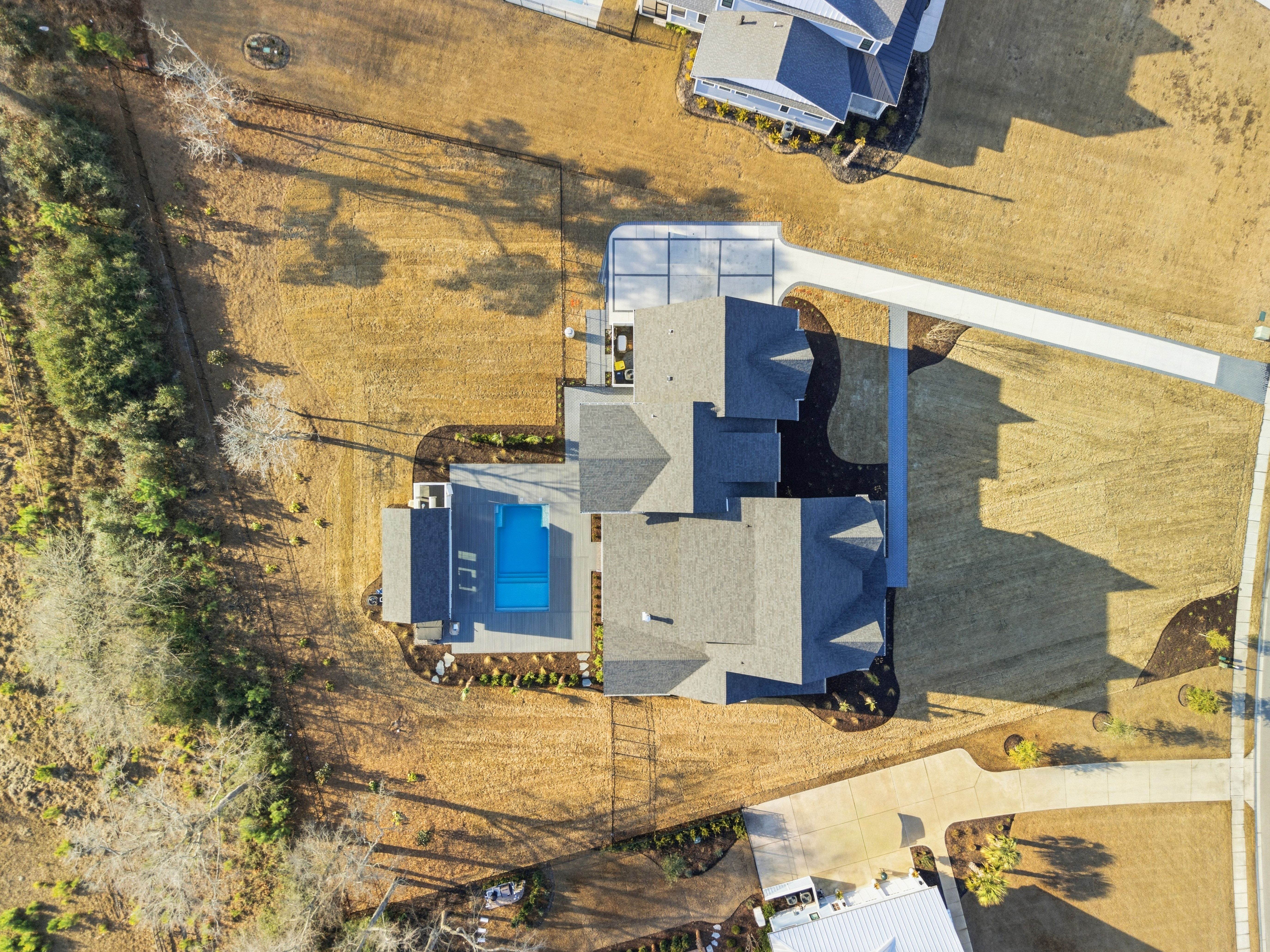
Beyond design and construction, a custom home becomes part of daily life. It shapes routines, habits, and how time is spent.
Thinking beyond move-in day helps homeowners evaluate whether now is the right moment. Does the home support where life is heading, not just where it is today?
Homes that feel timeless often reflect long-term thinking more than trend-driven choices.
When the Answer Is Not Clear Yet
Sometimes the honest answer is not yet. That does not mean never. It means more learning, more reflection, and more clarity are needed.
Building a custom home is one of the most personal projects a homeowner can undertake. Taking the time to understand whether it aligns with your readiness is part of respecting that commitment.
A Thoughtful Way Forward
If you are asking these questions, you are already engaging with the process in a meaningful way. Readiness does not arrive all at once. It develops through understanding, reflection, and honest consideration.
For many coastal homeowners, the right time to build becomes clear not through certainty, but through confidence built slowly and intentionally.
And when that clarity arrives, the process tends to feel less overwhelming and more purposeful, grounded in decisions that reflect both place and life.