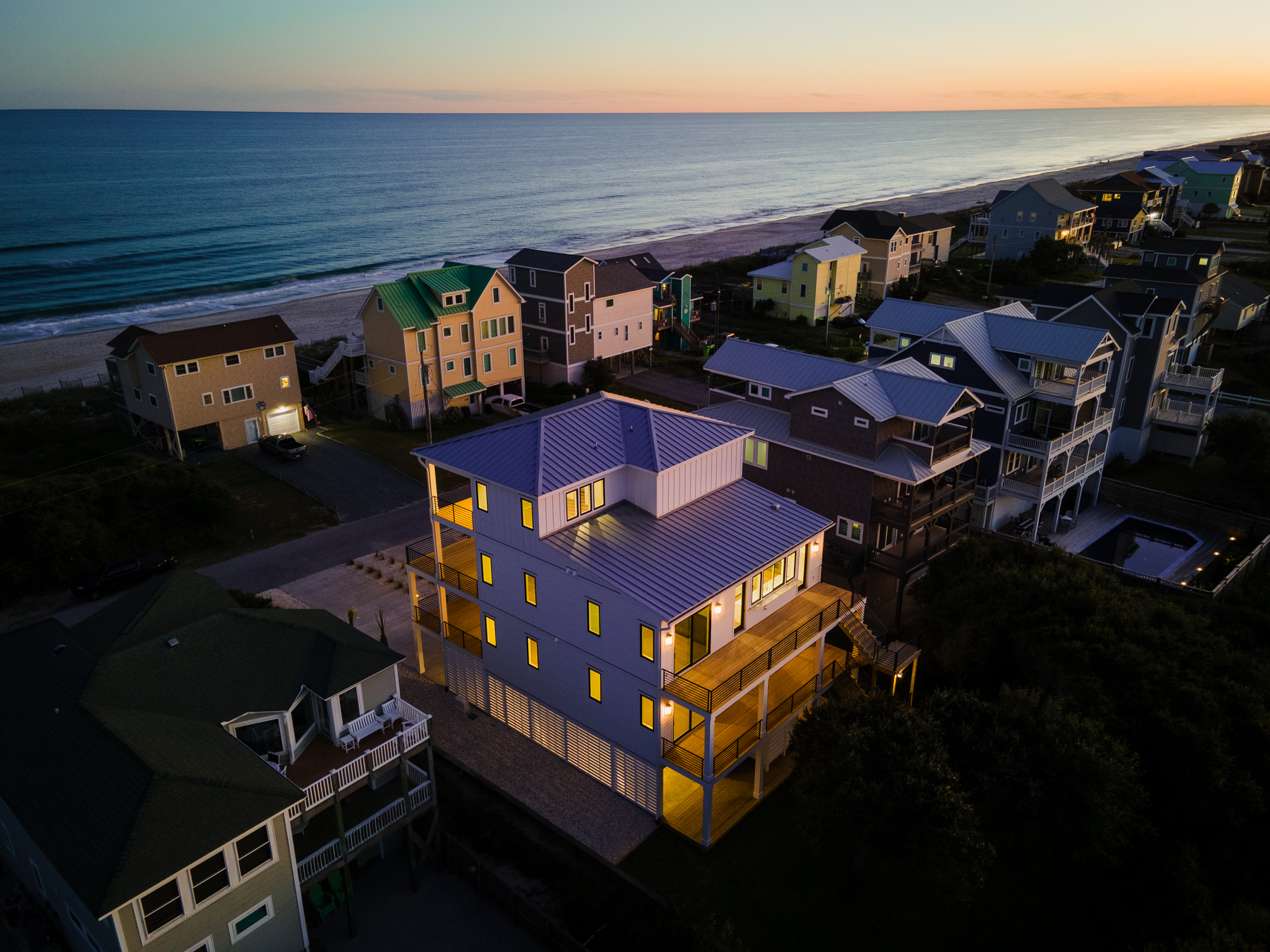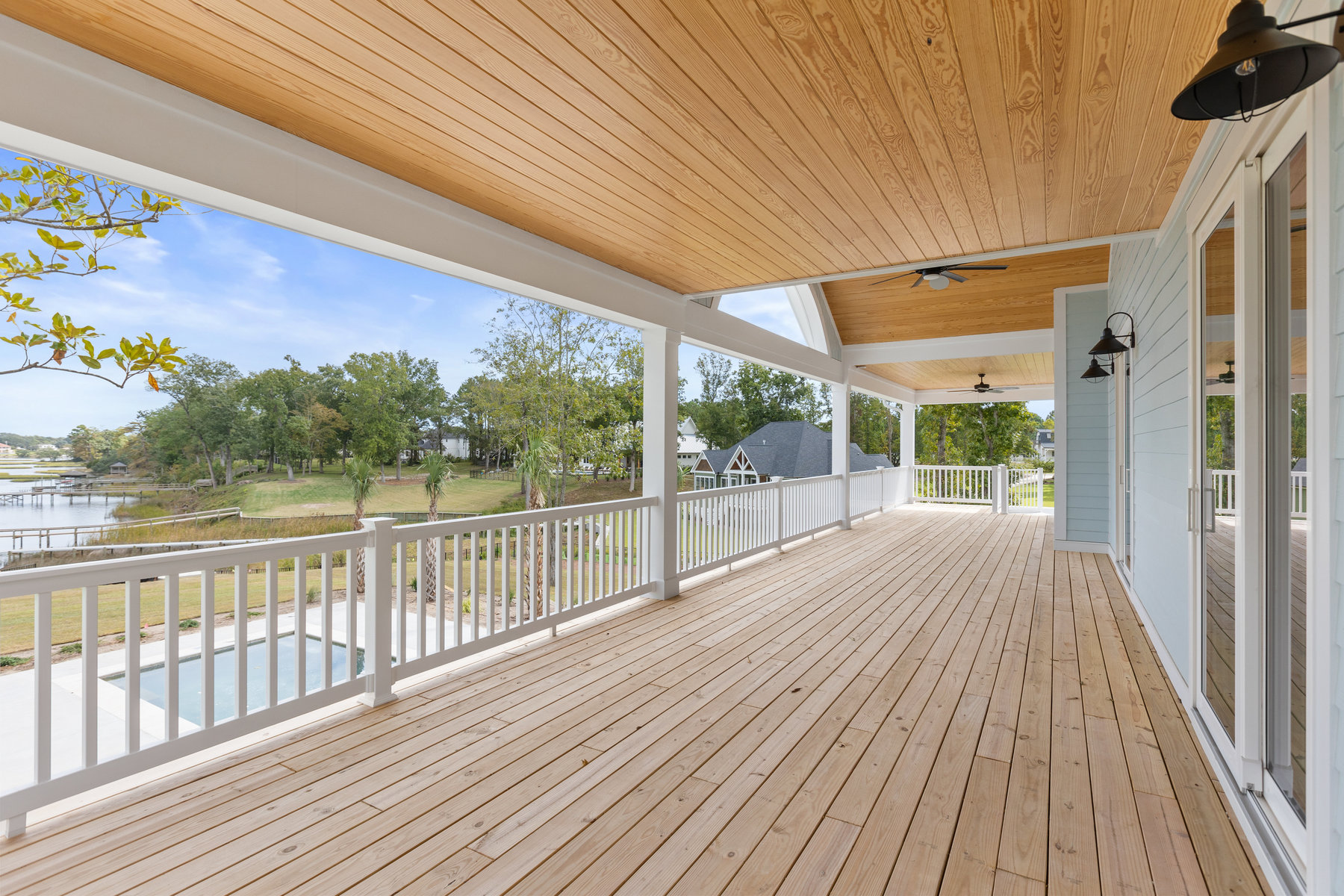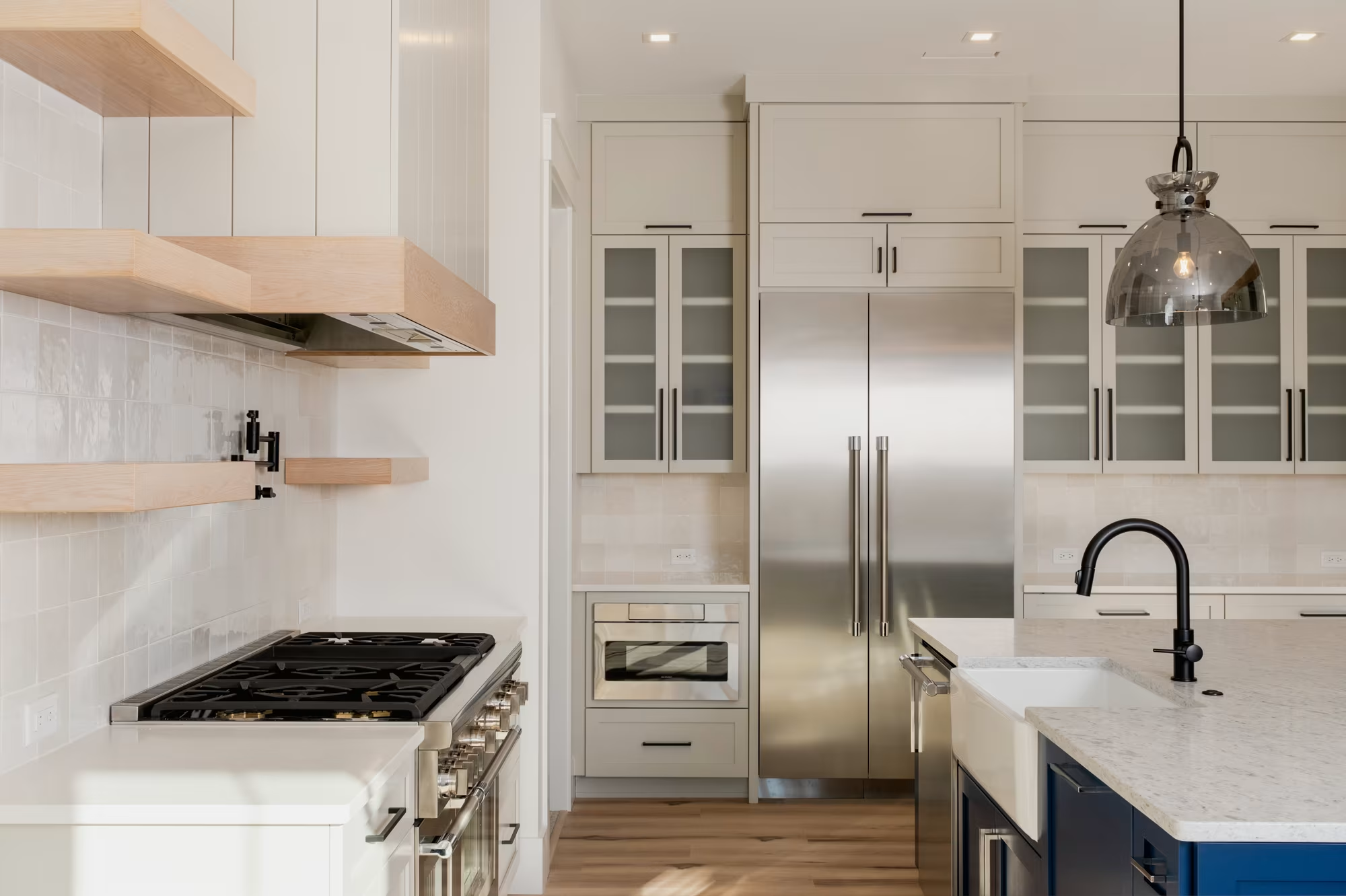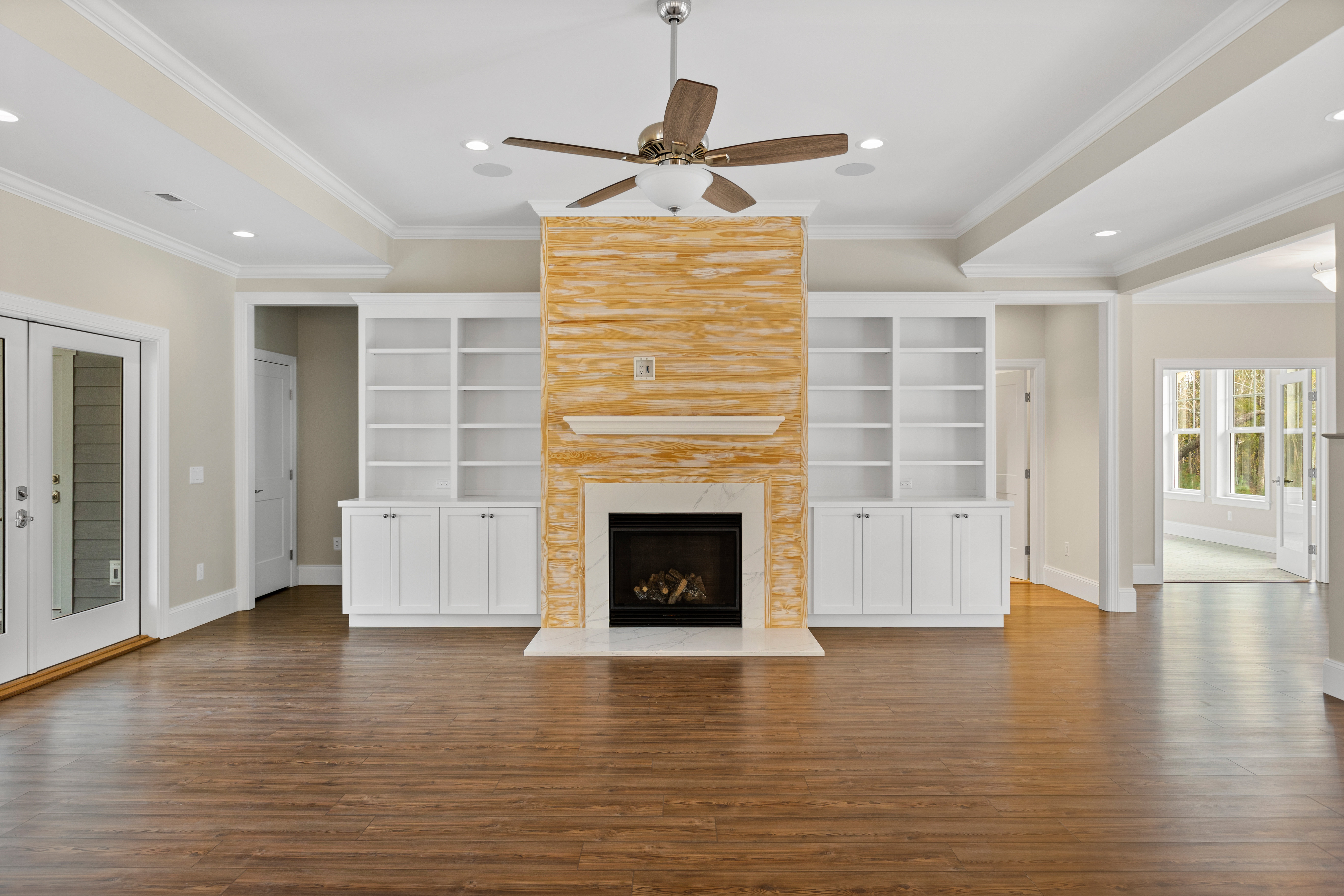
One of the first questions homeowners ask when exploring a custom home is also the hardest to answer with a single number. The cost to build a custom home in coastal North Carolina can vary widely depending on location, design complexity, materials, and site conditions.
Rather than offering a vague average, this guide breaks down realistic cost ranges, explains what actually drives pricing, and helps you understand how different decisions affect the overall investment. The goal is clarity, not estimates or promises.
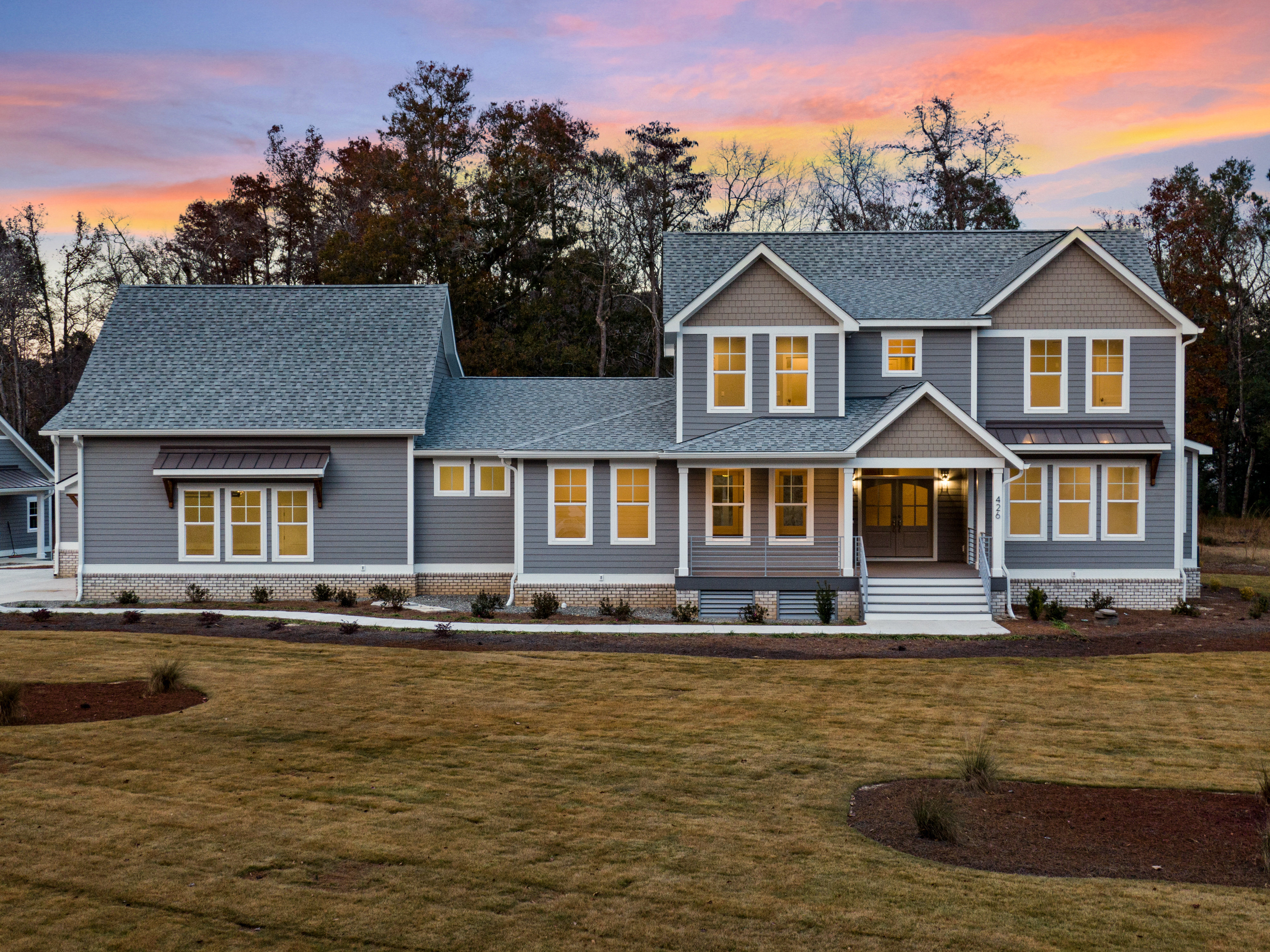
Typical Cost Ranges for Custom Homes in Coastal North Carolina
Most custom homes along the North Carolina coast fall into one of three broad categories. These ranges are intended for planning and education only and can shift based on market conditions and individual project details.
Entry-Level Custom Homes
These homes focus on efficient layouts, practical material selections, and straightforward construction methods.
Common characteristics include:
- Smaller to mid-sized footprints
- Standard rooflines and structural systems
- Durable but cost-conscious finishes
- Limited structural complexity
This range often appeals to homeowners who want a personalized home without extensive architectural detailing or luxury-level finishes.
Mid-Range Custom Homes
Mid-range projects balance customization, comfort, and long-term performance.
These homes often include:
- Larger square footage or multi-level designs
- More detailed architectural elements
- Upgraded exterior materials
- Enhanced interior finishes
- Thoughtful energy-efficiency features
Many coastal homeowners fall into this category, especially those planning a primary residence or long-term second home.
High-End and Luxury Coastal Homes
High-end custom homes represent the most complex and tailored projects.
Typical features include:
- Expansive layouts and open floor plans
- Complex roof structures and structural engineering
- Premium exterior cladding and windows
- Custom interior finishes and millwork
- Advanced durability and performance systems
Homes in this category are highly individualized, and costs are driven as much by design intent as by square footage.
What Has the Biggest Impact on Custom Home Costs?
Two homes with similar sizes can have dramatically different costs. The difference almost always comes down to a combination of site conditions, design decisions, and material selections.
Location and Lot Conditions
Coastal lots present unique challenges that directly affect construction costs.
Key factors include:
- Soil conditions and required foundation systems
- Flood zones and elevation requirements
- Lot access and staging limitations
- Proximity to water and exposure to wind and moisture
Homes built closer to the shoreline or in regulated coastal zones often require additional engineering, reinforced structures, and specialized construction techniques.
Size and Layout Complexity
Square footage matters, but layout matters more.
A compact home with a simple footprint can cost less than a smaller home with:
- Multiple rooflines
- Cantilevers or large spans
- Extensive decks and outdoor living spaces
- Irregular shapes or structural transitions
Open concepts, vaulted ceilings, and large window systems also add complexity that influences labor and material costs.
Material Selections
Material choices are one of the most flexible but impactful variables in a custom build.
Exterior materials play a particularly important role along the coast. Durability, resistance to moisture, and long-term maintenance requirements must be considered alongside appearance and cost.
Interior selections such as flooring, cabinetry, fixtures, and trim packages also contribute significantly to the final budget. Small upgrades made consistently throughout a home can add up quickly.
Structural and Performance Requirements
Coastal homes are built to perform in demanding conditions.
Depending on location, a custom home may require:
- Enhanced wind resistance
- Specialized framing or fastening systems
- Impact-rated windows and doors
- Moisture management strategies
- Elevated foundations or reinforced slabs
These features are not cosmetic upgrades. They are essential components of long-term durability and safety in a coastal environment.
Labor and Regional Market Factors
Labor availability and demand influence pricing across coastal North Carolina.
Skilled trades, scheduling constraints, and regional construction activity all affect cost. In high-demand areas or during peak building periods, pricing can reflect market pressure rather than just material inputs.
Coastal-Specific Cost Considerations
Building near the coast introduces additional factors that inland projects rarely face.
Moisture and Salt Exposure
Salt air and humidity accelerate wear on materials and systems. Choosing products designed for coastal environments can increase upfront cost but often reduces long-term maintenance and replacement expenses.
Wind and Storm Resilience
Homes along the coast must meet stricter structural requirements. These measures are designed to protect the home and its occupants, but they also influence framing methods, fastening schedules, and material specifications.
Long-Term Maintenance Planning
Many homeowners underestimate the importance of maintenance when budgeting for a coastal home. Thoughtful design and material choices can reduce ongoing costs, even if they require a higher initial investment.
Why Cost Estimates Vary So Widely
Online cost calculators and national averages often fail to reflect local realities. Coastal construction is not uniform, and small differences in scope can create large differences in budget.
Factors such as:
- Custom architectural design versus stock plans
- Level of interior customization
- Outdoor living features
- Site-specific engineering requirements
all contribute to why one custom home may cost significantly more than another of similar size.
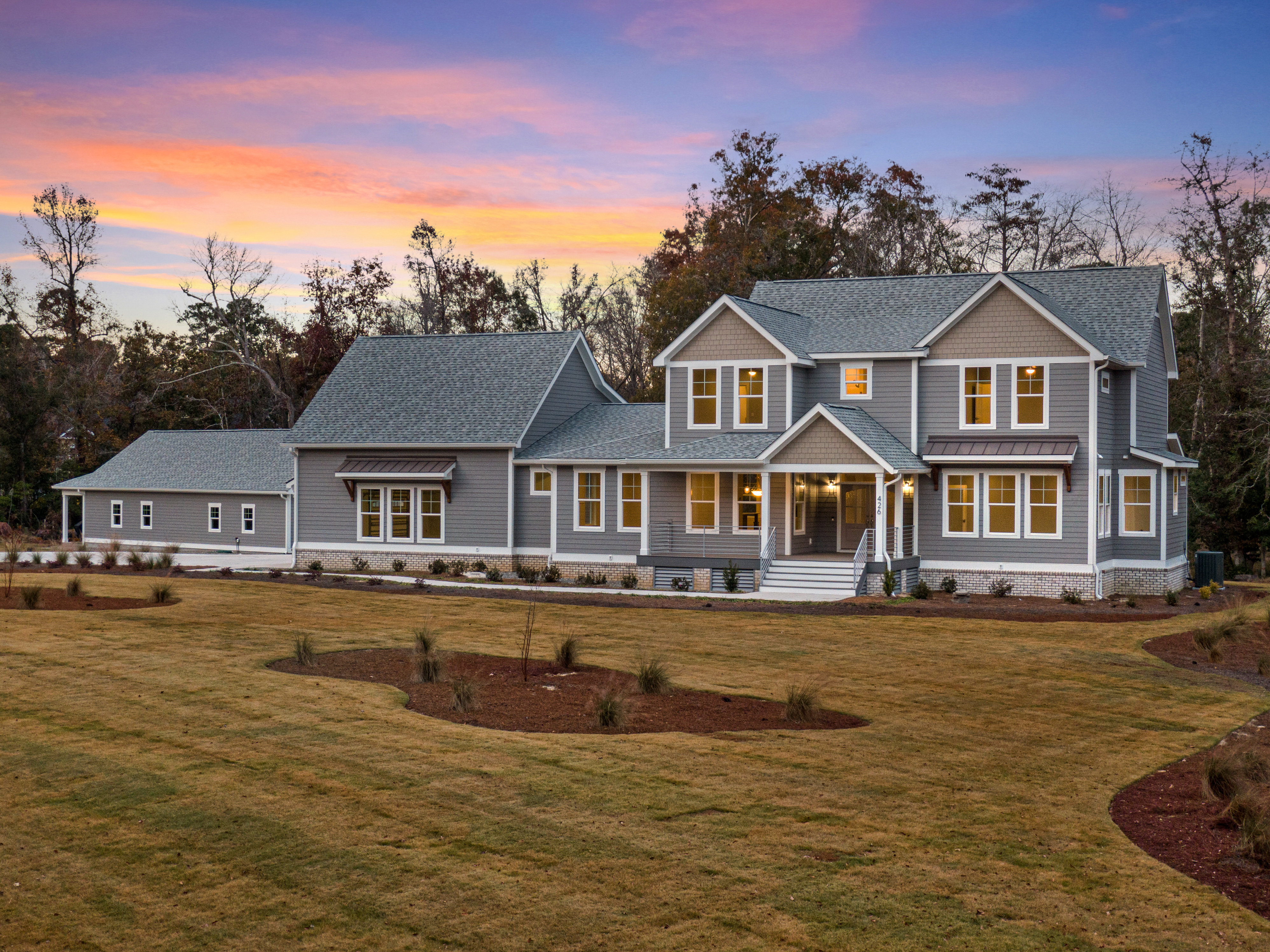
Planning a Budget That Matches Your Goals
The most successful custom home projects begin with clear priorities.
Before focusing on numbers, it helps to consider:
- How the home will be used long term
- Which features matter most to daily living
- Where flexibility exists in materials or layout
- How durability and maintenance fit into the overall plan
A well-defined vision allows cost discussions to be productive rather than frustrating.
Setting Expectations Early
Custom home construction is not a commodity purchase. It is a process shaped by hundreds of decisions, each with cost implications.
Understanding the factors outlined above helps homeowners:
- Ask better questions early
- Evaluate trade-offs realistically
- Avoid surprises during construction
- Make informed decisions that align with their priorities
A Thoughtful Next Step
For homeowners considering a custom home along the North Carolina coast, early education is one of the most valuable tools. Understanding how costs are structured and what drives them allows the planning process to move forward with confidence and clarity.
If you are beginning to explore what a custom home might look like for your family and your location, having informed conversations early in the process can make all the difference.