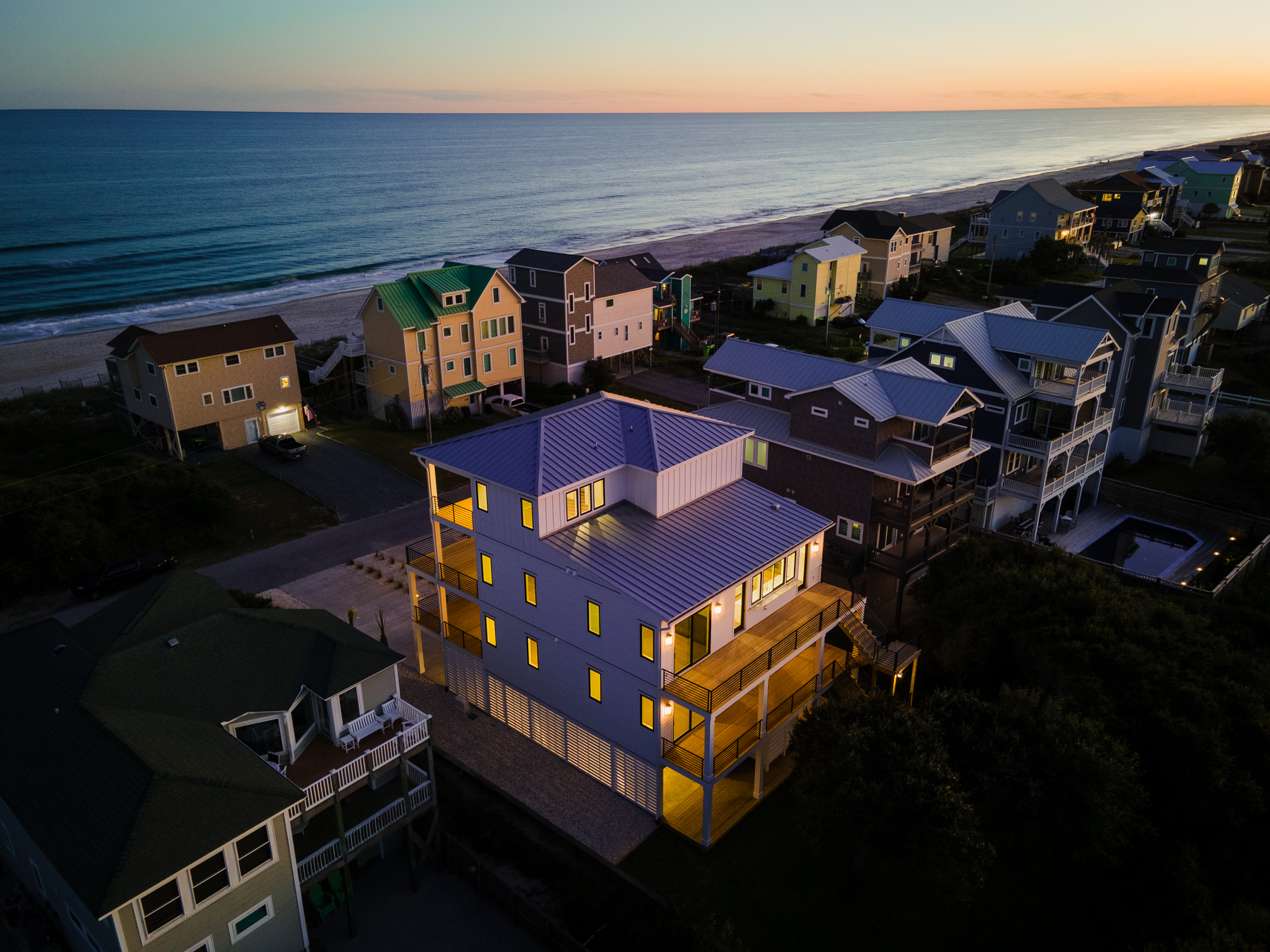
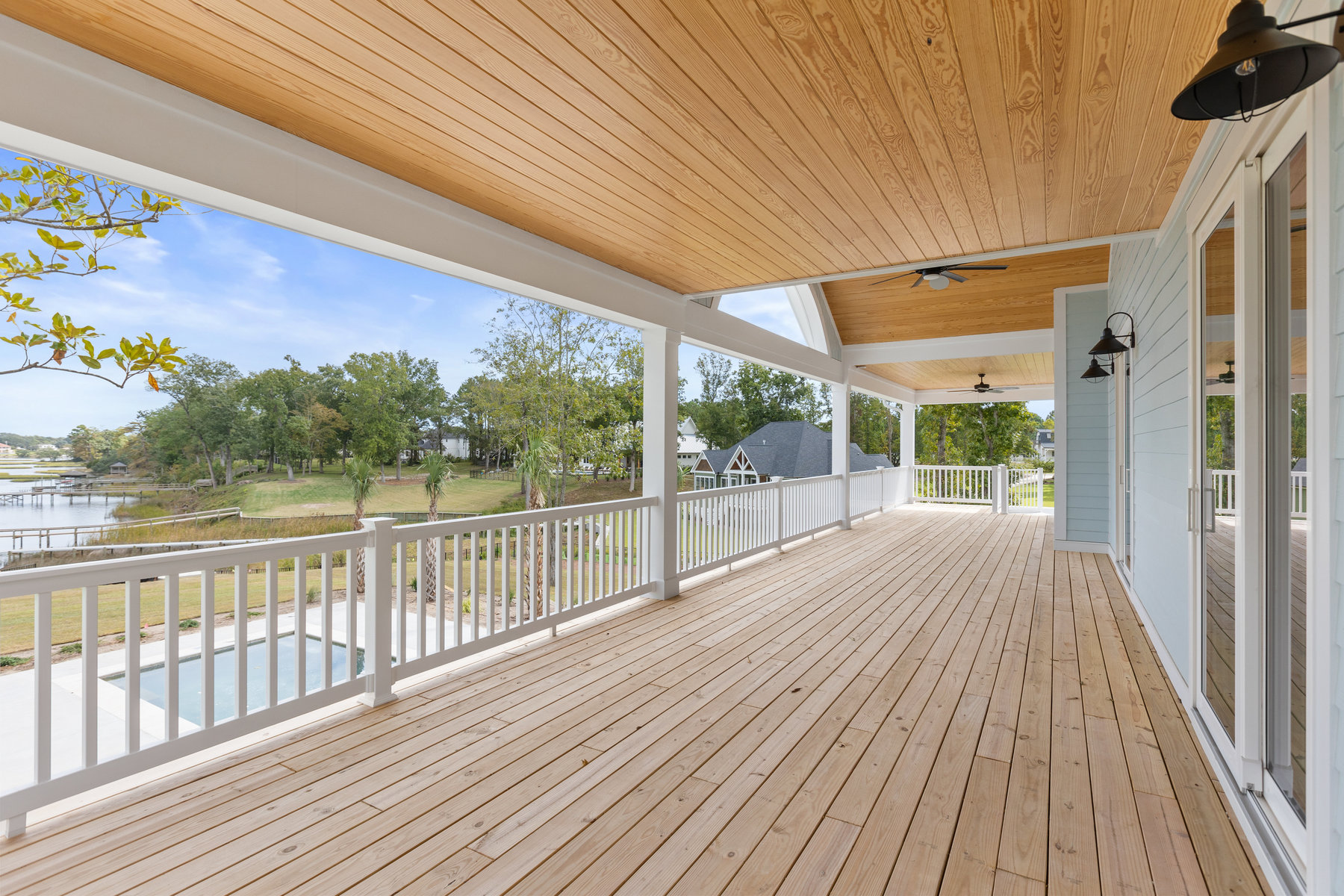
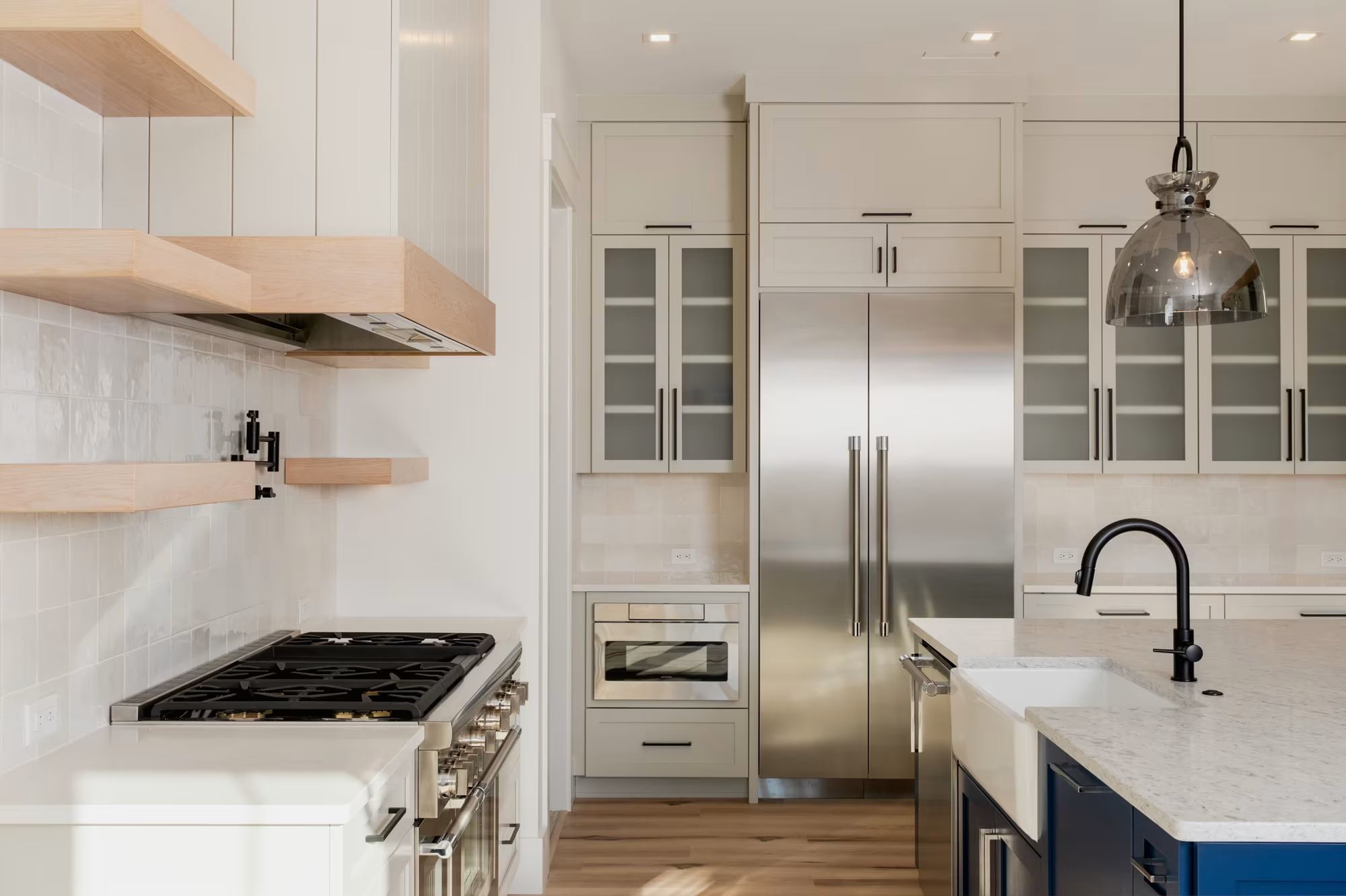
Building a custom home is always a significant investment, but building along the coast introduces conditions that raise the stakes even higher. Salt air, fluctuating humidity, seasonal storms, shifting soils, and constant exposure to wind and moisture all influence how a home performs over time. In this environment, quality is not a finishing touch. It is the foundation of long-term comfort, durability, and confidence.
At Longshore Custom Homes, quality is not viewed as a single checkpoint or a final inspection. It is a continuous process that begins long before construction starts and extends well beyond completion. Every phase of the project presents opportunities to reinforce strength, protect performance, and ensure that the home responds intelligently to its coastal setting.
Coastal homes must do more than look beautiful. They must perform quietly and consistently year after year. The coastal environment rewards builders who understand its nuances and exposes shortcuts quickly. This is why quality is approached as a system of decisions rather than a single standard.
Quality Begins With a Strong Design Foundation
Lasting quality starts before the first material ever reaches the site. A well-developed design prevents problems, reduces rework, and creates opportunities to enhance both performance and livability.
During the early planning phase, Longshore focuses on understanding how homeowners intend to live in the space. These conversations shape decisions about layout, circulation, storage, outdoor living, and long-term flexibility. A home designed around real daily use performs better than one designed solely around appearance.
Design development also includes careful evaluation of:
- Site conditions and soil behavior
- Sun orientation and prevailing breezes
- Elevation requirements and flood exposure
- Relationship between indoor and outdoor spaces
- Anticipated storm and wind conditions
These factors influence how the home sits on the land and how it will age over time. When they are addressed early, the design becomes clearer, more efficient, and more resilient.
Architectural drawings serve as the blueprint for quality. Detailed plans reduce ambiguity during construction and help ensure that structural systems, mechanical layouts, and finish details align with the original intent. When drawings are thorough, the build process becomes smoother and more predictable, allowing craftsmanship to shine rather than compensating for unclear direction.
Engineering With Precision for Coastal Conditions
Engineering is the structural backbone of quality, particularly in coastal environments. The North Carolina coast presents challenges that require careful evaluation of wind loads, uplift forces, soil conditions, and pressure changes during storms.
Foundation engineering receives particular attention. Elevation is often necessary to protect the home from water intrusion, but elevation alone does not guarantee performance. The type of foundation, the spacing and depth of piers or piles, and the way loads are transferred into the soil all influence long-term stability.
At Longshore, foundations are not treated as standard assemblies. Structural engineers evaluate site-specific soil reports and exposure conditions to determine the most appropriate approach. In some locations, this means deeper embedment or adjusted spacing to reduce movement over time. These decisions are invisible once the home is complete, but they play a critical role in how the structure behaves during storms and seasonal changes.
Roof engineering is equally important. The roof is often the first element exposed to extreme wind, and it must resist uplift while protecting the structure beneath it. Engineers evaluate roof shape, truss design, fastening methods, and reinforcement strategies to ensure that wind forces are distributed safely through the home.
Quality engineering does not compromise aesthetics. Instead, it supports design goals while ensuring that the structure performs reliably under pressure.
Selecting Materials That Perform in Coastal Environments
Material selection is one of the most visible expressions of quality, but in coastal construction, performance matters just as much as appearance.
Coastal North Carolina challenges materials with:
- Persistent humidity
- Salt-laden air
- Intense sun exposure
- Wind-driven rain
- Seasonal temperature swings
Exterior cladding must resist moisture and remain stable over time. Fiber cement siding is often selected for its durability, resistance to rot, and ability to hold finishes well in coastal conditions. Composite materials for decks and outdoor structures reduce maintenance while providing the warmth homeowners expect from coastal architecture.
Windows and doors require particular care. Impact-resistant glass helps protect against debris and pressure changes during storms. High-quality frames and sealing systems reduce air and water infiltration, improving both comfort and energy efficiency. These components form a critical part of the home’s exterior envelope.
Roofing materials are evaluated with equal scrutiny. Metal roofing and architectural shingles rated for high wind conditions provide additional resilience. Installation details matter just as much as material choice. Proper fastening, underlayment selection, and flashing details determine how well the roof performs when conditions are severe.
Longshore walks homeowners through these choices, explaining not only how materials look, but how they perform and what they require over time.
Executing Construction With Care and Craftsmanship
Even the best design and material selections depend on execution. Quality becomes tangible during construction, where craftsmanship transforms plans into reality.
Framing establishes the hidden structure that supports everything else. Straight walls, level floors, and continuous load paths depend on careful layout and precise assembly. Attention to detail during framing reduces issues later in insulation, drywall, and finish work.
Exterior installation is one of the most critical phases in coastal construction. Moisture management depends on proper flashing, sealing, and sequencing. Windows and doors must be installed precisely to maintain the integrity of the building envelope. Roofing connections must be secure and correctly layered to prevent water intrusion.
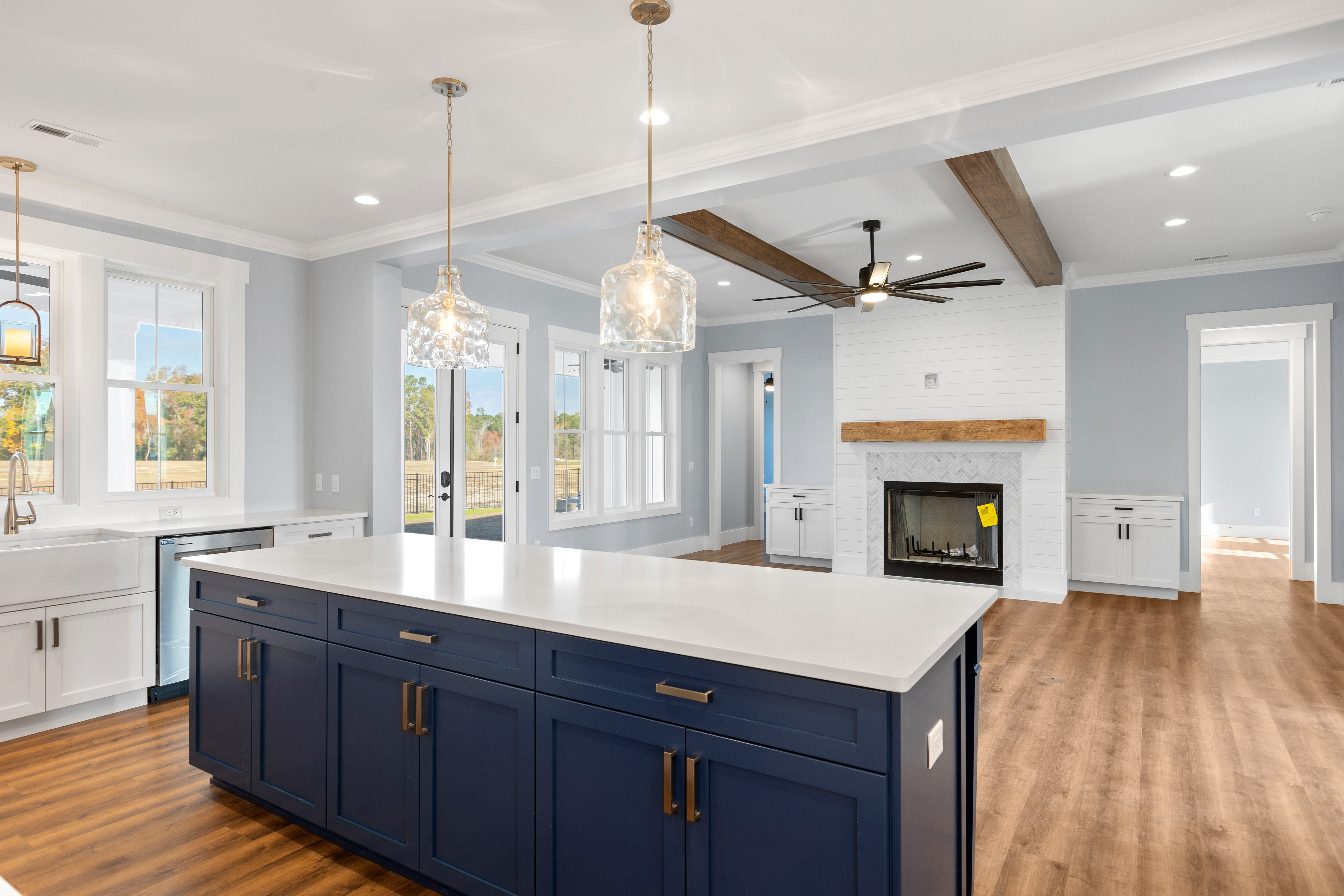
Interior craftsmanship reflects the personality of the home. Cabinetry, trim, flooring, and custom-built elements must align visually and functionally. At Longshore, the same standard of care applied to structural systems is carried through to interior finishes, ensuring consistency throughout the home.
Monitoring Quality Throughout the Build
Quality assurance is not reserved for the end of the project. It is an ongoing process that moves alongside construction.
Each phase of the build includes evaluations to confirm that work aligns with the design intent and meets performance standards. Identifying issues early allows corrections to be made efficiently, protecting both schedule and quality.
Regular checks include:
- Framing alignment and structural connections
- Mechanical and electrical rough-ins
- Insulation and air sealing
- Roofing and exterior envelope components
These steps may seem incremental, but together they form the foundation of long-term comfort and durability.
Longshore also maintains open communication with inspectors and engineers throughout the process. This collaboration ensures that the home meets or exceeds local requirements and reinforces confidence in the final result.
Managing the Build Through Clear Communication
Quality is not limited to physical construction. It also includes how the project is managed and how homeowners are guided through the process.
Clear communication prevents misunderstandings and reduces stress. Homeowners benefit from knowing what is happening on site, what decisions are approaching, and how the project is progressing.
Longshore maintains steady, proactive communication so homeowners remain informed and engaged without feeling overwhelmed. When questions arise, they are addressed directly. When adjustments are needed, they are explained clearly. This transparency strengthens trust and supports better outcomes.
Ensuring Mechanical and Electrical Excellence
The systems that support daily life are a critical component of quality. Coastal homes require mechanical systems that manage humidity, maintain comfort, and operate efficiently in changing conditions.
Heating and cooling systems are designed to handle moisture as well as temperature. Ventilation strategies help preserve interior finishes and improve indoor air quality. Electrical systems are organized to support modern technology and future needs without overcrowding panels or compromising accessibility.
Plumbing systems are installed with long-term reliability in mind. Thoughtful routing and proper support reduce maintenance issues and improve performance.
Longshore works with trusted trade partners who understand coastal construction and the importance of precise installation.
Preparing the Home for Coastal Weather
Storm readiness is integrated throughout the project rather than treated as an add-on. Reinforced connections, resilient roofing systems, impact-resistant openings, and effective drainage all contribute to performance during challenging weather.
Drainage strategies ensure that water moves away from the structure rather than pooling near foundations. Rooflines are designed to shed water efficiently while managing wind forces. The exterior envelope is detailed to remain sealed even during heavy rain.
When these elements are planned and executed carefully, the home remains comfortable and protected through every season.
Delivering a Finished Home That Reflects the Process
The final phase of construction brings every decision together. Finishes are refined, outdoor spaces are completed, and systems are tested. The home begins to reflect both the homeowner’s vision and the craftsmanship behind it.
Quality at this stage means careful review. Doors operate smoothly. Floors are level. Finishes are consistent. Exterior elements feel solid and secure. Longshore takes the time needed to ensure the home performs exactly as intended.
For homeowners, this is the moment when confidence replaces uncertainty. The home feels complete because the process behind it was thorough.
A Commitment That Continues Beyond Completion
Quality does not end when the keys are handed over. Coastal homes benefit from understanding how systems operate and how materials should be cared for over time.
Longshore maintains a relationship with homeowners beyond completion, offering guidance and support as they settle into their new home. This ongoing connection reinforces the idea that quality is both a process and a promise.
Building Trust Through Every Phase
The coastal environment demands knowledge, precision, and respect for conditions that cannot be ignored. When a home is built with care at every stage, it not only performs well but enhances the experience of living by the water.
Longshore Custom Homes brings this commitment to every project. Through thoughtful design, precise engineering, careful construction, and clear communication, quality becomes the foundation for comfort, resilience, and long-term value on the Carolina coast.