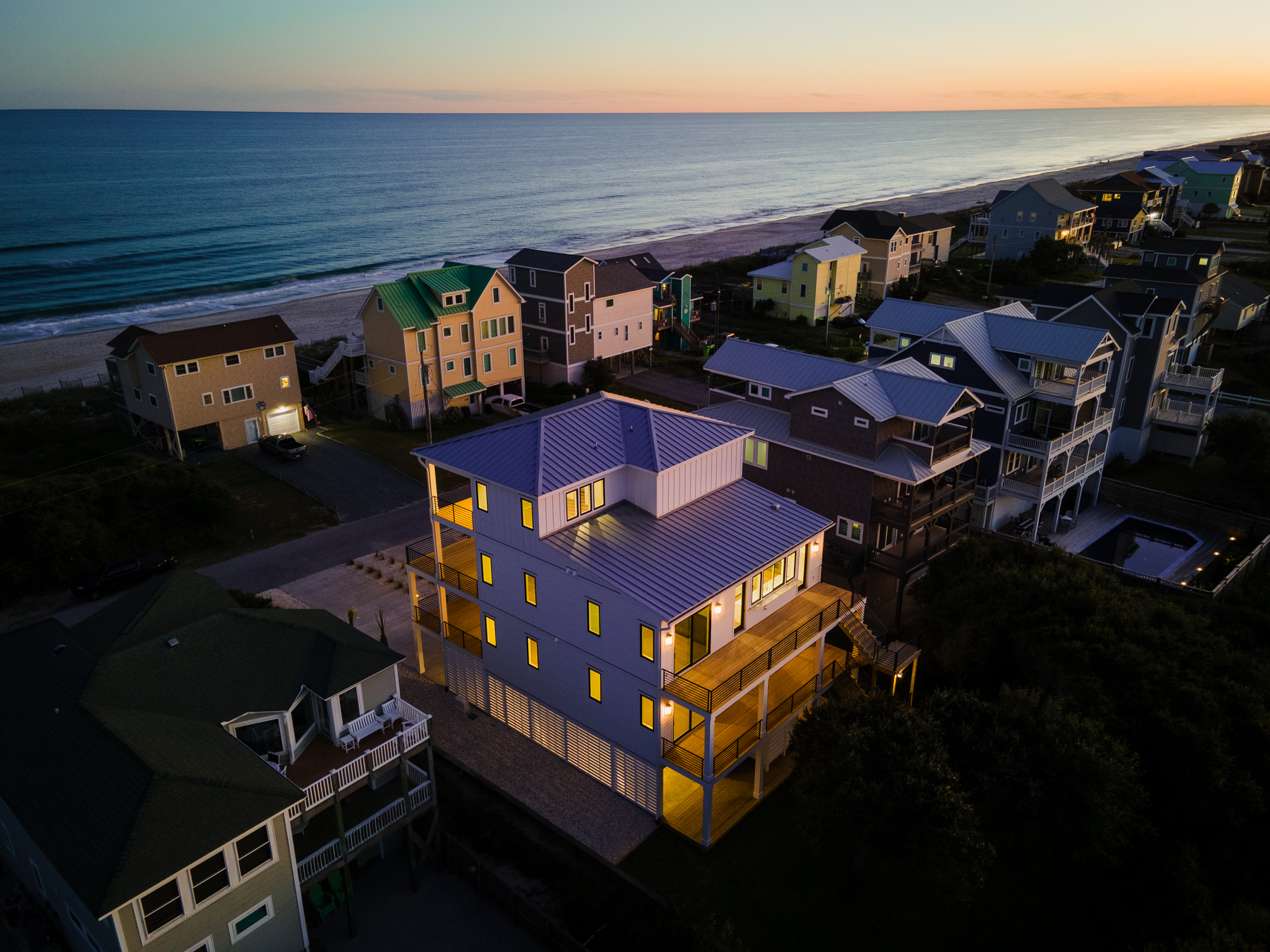
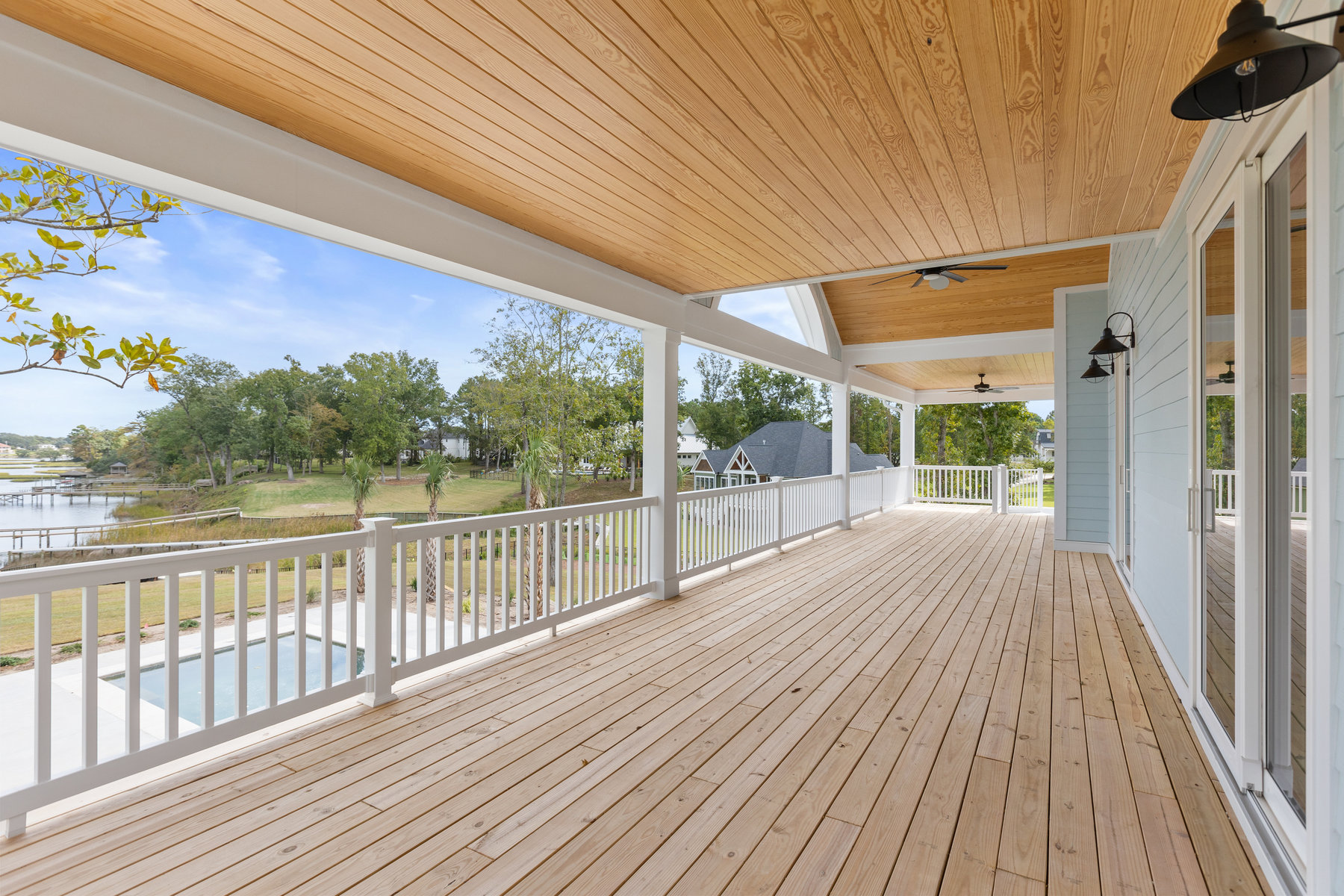
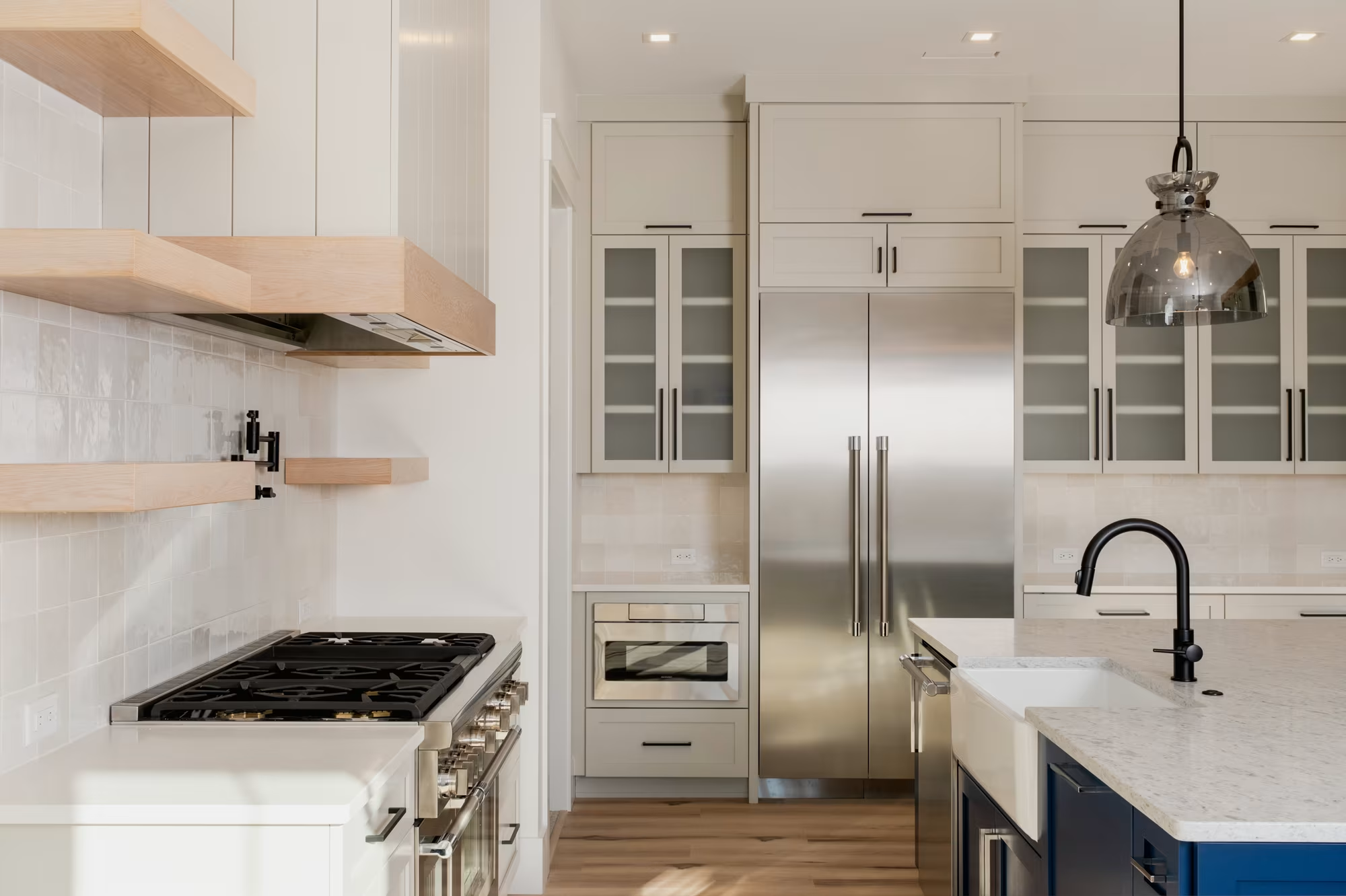
Hampstead has become one of the most desirable places to build along the southeastern North Carolina coast. With proximity to Wilmington, access to the Intracoastal Waterway, and a quieter residential character, it attracts homeowners who want space, views, and long-term investment value.
But building in Hampstead is not simple.
Lot conditions vary significantly. Flood zones require careful elevation planning. Soil composition can influence foundation strategy. Wind exposure must be engineered correctly. Permitting and inspections follow coastal regulations that demand precision.
For these reasons, choosing a design-build team in Hampstead, NC is not just a stylistic preference. It is a strategic decision that can reduce risk, protect your budget, and streamline the entire construction experience.
What Design-Build Actually Means
The term “design-build” is often used loosely, but in practice it has a specific structure.
In a traditional model:
- You hire an architect first
- Plans are completed
- The project is bid out to builders
- Construction begins after design is finalized
This approach can work in some markets. However, in coastal environments like Hampstead, it often introduces unnecessary risk.
Design-build consolidates responsibility under one unified team. Architecture, engineering, budgeting, and construction are integrated from the beginning. Instead of handing plans off between separate entities, the entire project develops collaboratively.
This structure creates three key advantages:
- Budget alignment during design
- Early identification of structural and site constraints
- Fewer change orders during construction
The result is a smoother path from concept to completion.
Why Hampstead Lots Require Early Builder Involvement
Hampstead properties are not uniform. Some are wooded interior lots. Others sit near marshland or the Intracoastal Waterway. Many fall within regulated flood zones.
These variables affect:
- Finished floor elevation
- Foundation type
- Drainage strategy
- Driveway grading
- Stormwater compliance
If a home is designed without accounting for these factors, revisions become inevitable. Elevation adjustments alone can significantly affect budget, materials, and structural detailing.
In a design-build model, site analysis happens before design is finalized. We evaluate:
- FEMA flood zone classification
- Topography and soil conditions
- Access limitations
- Utility connections
- Setback requirements
That information directly informs architectural decisions. Instead of redesigning midstream, the home evolves with site realities built into the plan.
Elevation and Flood Planning in Coastal Hampstead
Flood zone requirements are a defining factor in many Hampstead builds. Depending on location, homes may require elevated foundations to meet Base Flood Elevation standards.
Elevation affects more than foundation height. It influences:
- Stair and entry design
- Garage integration
- Exterior proportions
- Structural framing loads
- Budget allocation
When elevation planning is addressed early, architectural balance can be preserved. When it is addressed late, design compromises often follow.
Design-build allows structural engineering, architectural detailing, and cost modeling to occur simultaneously. That coordination ensures compliance without sacrificing design integrity.
Budget Predictability and Cost Control
One of the most significant concerns homeowners have is budget stability.
In a fragmented process, cost estimation often happens after design completion. If pricing exceeds expectations, redesign becomes necessary. This can delay permitting and extend timelines.
With design-build, budgeting begins during the earliest planning stages. As selections evolve, pricing evolves with them.
This integrated approach provides:
- Real-time cost modeling
- Transparent allowance structures
- Fewer unexpected price escalations
- Reduced risk of extensive change orders
Coastal construction already carries variables related to materials, elevation, and engineering. A unified budgeting process reduces the likelihood of financial surprises.
Permitting and Regulatory Coordination
Hampstead construction must comply with local county regulations, floodplain management requirements, and building codes designed for coastal resilience.
Permitting can involve:
- Floodplain review
- Engineering certifications
- Structural compliance verification
- Environmental considerations
In a design-build model, permitting documentation is developed alongside the construction strategy. Plans are not simply aesthetic drawings; they are fully coordinated technical documents.
This preparation improves review efficiency and minimizes revision cycles during approval.
Proactive coordination reduces delays and keeps the project on schedule.
Timeline Efficiency Without Sacrificing Quality
A common misconception is that faster timelines require compromise. In reality, delays are often caused by miscommunication and redesign.
When design and construction teams operate separately, sequencing gaps can occur. Clarifications take longer. Field adjustments increase.
Design-build improves efficiency by:
- Aligning trade partners early
- Finalizing structural decisions before breaking ground
- Reducing back-and-forth between architect and contractor
- Clarifying material selections ahead of procurement
This alignment helps maintain steady project momentum while protecting craftsmanship standards.
Engineering for Coastal Wind Loads
Hampstead’s proximity to open water increases wind exposure. Structural framing must account for coastal wind-load requirements.
Engineering considerations typically include:
- Reinforced roof systems
- Properly anchored wall assemblies
- Impact-rated window systems
- Secure fastening strategies
When these factors are integrated early, architectural expression and structural integrity work together. Rooflines, window placements, and exterior finishes are selected with engineering input rather than retroactive adjustment.
Design-build eliminates the disconnect between aesthetic vision and structural reality.
Communication and Accountability
Construction projects often become stressful when responsibility is unclear.
In traditional arrangements:
- The architect may blame the contractor
- The contractor may question the design
- The homeowner becomes the intermediary
Design-build removes that ambiguity. One team is accountable for the entire process.
This structure provides:
- A single point of contact
- Coordinated scheduling
- Transparent communication
- Clear decision timelines
Homeowners gain clarity instead of confusion.
In coastal markets where technical requirements are more complex, that clarity is especially valuable.
Material Strategy for Long-Term Performance
Hampstead’s climate demands thoughtful material selection. Humidity, salt exposure, and storm conditions influence exterior durability and interior comfort.
A coordinated design-build team evaluates materials based on:
- Corrosion resistance
- Moisture tolerance
- Energy efficiency
- Long-term maintenance requirements
Exterior systems often include enhanced flashing strategies, advanced window installation techniques, and roofing assemblies designed for uplift resistance.
Interior systems frequently prioritize humidity control and insulation performance to protect finishes and maintain air quality.
These systems must be integrated into the design from the beginning, not added as upgrades later.
The Experience Matters
Beyond engineering and budgeting, the design-build model improves the overall building experience.
A structured process includes:
- Pre-construction planning sessions
- Structured design milestones
- Detailed scope documentation
- Consistent progress updates
When expectations are aligned early, homeowners can focus on decision-making instead of conflict resolution.
The building process should feel organized and deliberate. Especially in a coastal environment where complexity is unavoidable, process discipline makes the difference.
Why Design-Build Is the Smarter Choice in Hampstead
Hampstead is not a generic suburban market. It is a coastal environment with regulatory, structural, and environmental considerations that require early coordination.
Design-build is not simply a trend. In this context, it is a practical solution.
It allows:
- Site realities to shape architecture
- Engineering to inform aesthetics
- Budget to evolve alongside design
- Permitting to proceed with fewer obstacles
- Construction to advance with fewer surprises
The result is a home that reflects both vision and technical precision.
Build with Confidence in Hampstead
If you are exploring design-build in Hampstead, NC, the structure of your team will directly impact the outcome of your project.
At Longshore Custom Homes, we integrate architecture, engineering coordination, budgeting, and construction into one cohesive process. Our experience along the North Carolina coast allows us to anticipate site challenges, manage regulatory requirements, and deliver homes that are engineered for long-term performance.
If you are considering building in Hampstead, we invite you to begin with a consultation. A well-designed coastal home starts with a unified plan. The right process protects your investment and ensures your home performs as beautifully as it looks for years to come.