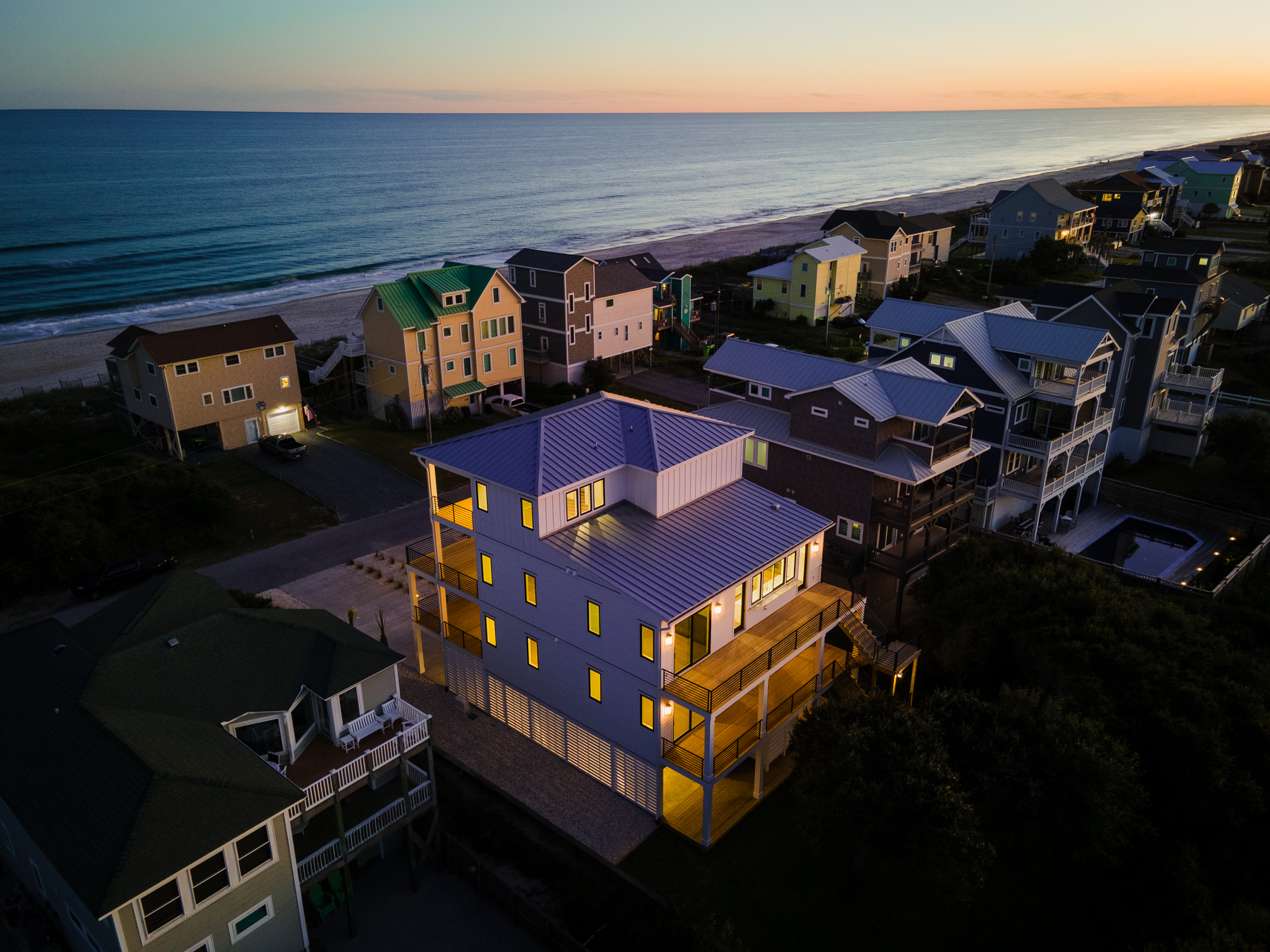
Surf City offers something unique along the North Carolina coast. Positioned on Topsail Island, it combines waterfront views, beach access, and a relaxed coastal character that continues to attract homeowners looking to build something personal and lasting.
But building here is fundamentally different from building inland.
Barrier island conditions introduce engineering challenges, environmental exposure, and regulatory requirements that demand precision from the very beginning. When someone searches for a custom house builder in Surf City, they should be looking for more than a contractor capable of producing attractive finishes. They need a team that understands coastal structure, elevation strategy, and long-term durability.
A custom home on Topsail Island must be designed not just for lifestyle, but for resilience.
Understanding Surf City’s Coastal Environment
Surf City’s location directly influences construction decisions. Proximity to open water means consistent exposure to:
- Salt-laden air
- High humidity
- Strong coastal winds
- Storm surge risk
- Shifting sand and soil conditions
These environmental factors affect everything from foundation design to hardware selection. Materials that perform well inland can deteriorate prematurely near the ocean. Structural systems must account for wind uplift and lateral forces.
Building in Surf City requires foresight. A custom home here is only as strong as the systems behind its walls.

Elevated Foundations and Flood Zone Compliance
Many properties in Surf City fall within FEMA-designated flood zones. That reality shapes the design process immediately.
Elevation planning influences:
- Finished floor height
- Stair placement and entry transitions
- Garage configuration
- Structural load paths
- Exterior proportions
An experienced custom house builder evaluates flood requirements before architectural plans are finalized. Elevation is not an afterthought, it is a defining structural element.
Foundation strategies may include:
- Pile foundations driven to stable soil layers
- Reinforced concrete systems
- Elevated living spaces above required Base Flood Elevation
- Breakaway wall systems where necessary
When elevation is integrated into design early, the home maintains architectural balance instead of appearing artificially lifted.
Engineering for Coastal Wind Loads
Surf City’s exposure to Atlantic weather patterns demands structural discipline. Wind-load engineering is not optional. Roof assemblies, wall framing, and fastening systems must meet strict coastal standards.
Structural considerations often include:
- Continuous load paths from roof to foundation
- Reinforced roof framing to resist uplift
- Impact-rated windows and exterior doors
- Advanced fastening schedules with corrosion-resistant hardware
Engineering should not compromise design. Instead, it should strengthen it. When structural planning happens early, rooflines, overhangs, and window placements can be optimized without last-minute modifications.
A properly engineered coastal home provides security and peace of mind during storm season.
Material Selection for Salt Air Exposure
Salt exposure accelerates corrosion. Exterior components must be selected with longevity in mind.
High-performance coastal construction typically prioritizes:
- Stainless or hot-dipped galvanized fasteners
- Impact-rated, coastal-certified windows
- Durable siding systems designed for humidity
- Roofing materials engineered for wind and salt resistance
Interior systems also require attention. High humidity can affect flooring stability, trim work, and HVAC efficiency.
Proper planning includes:
- Controlled ventilation systems
- Dehumidification integration
- Moisture-resistant subfloor assemblies
- Sealed building envelopes
A custom home in Surf City should age gracefully, not struggle against its environment.
Designing for Coastal Living
Performance matters, but so does experience.
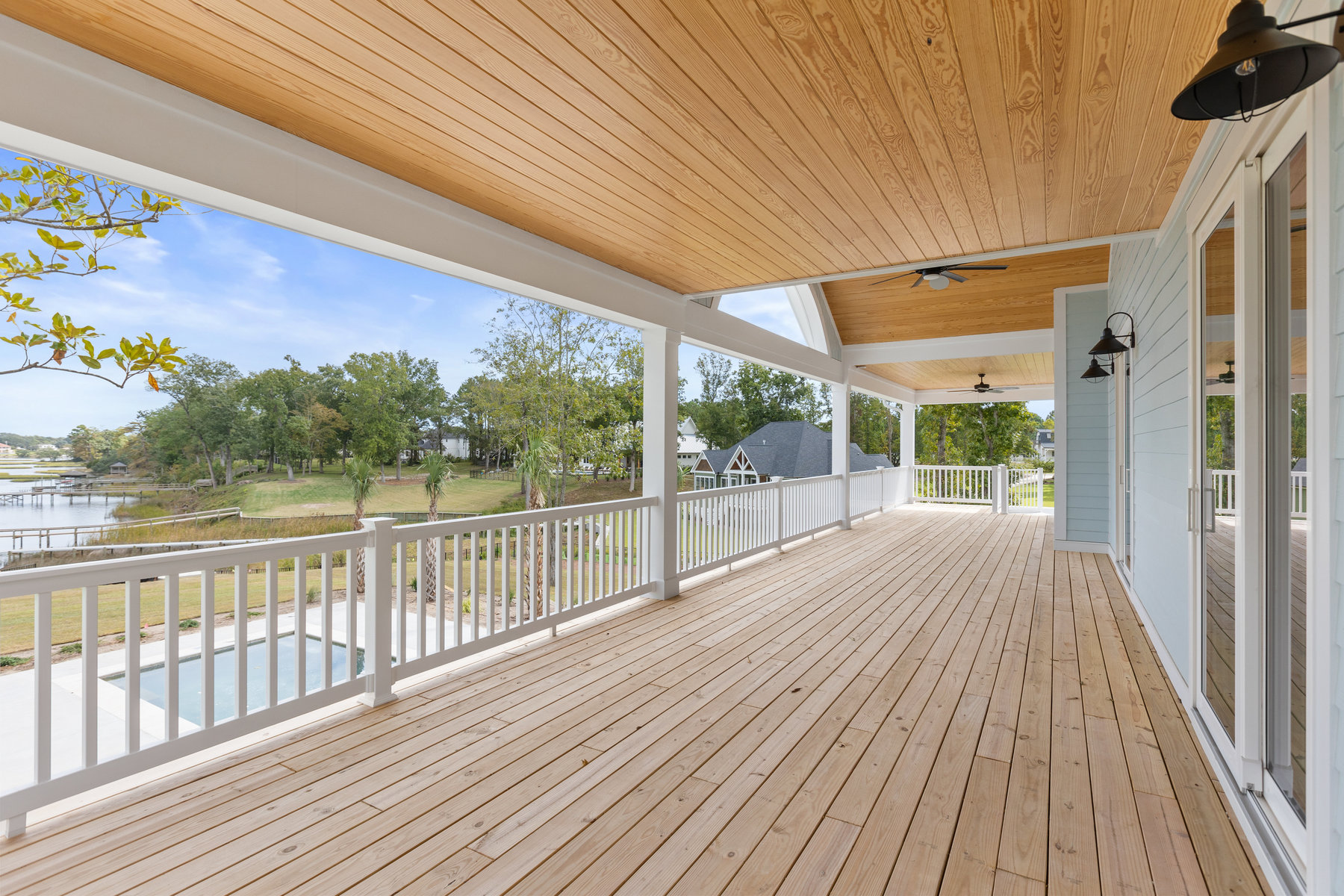
Coastal homes should capture light, maximize views, and connect interior living spaces with the outdoors. In Surf City, lifestyle integration is central to custom design.
Architectural priorities often include:
- Expansive windows positioned for water or marsh views
- Covered porches that extend living space
- Elevated decks designed for airflow
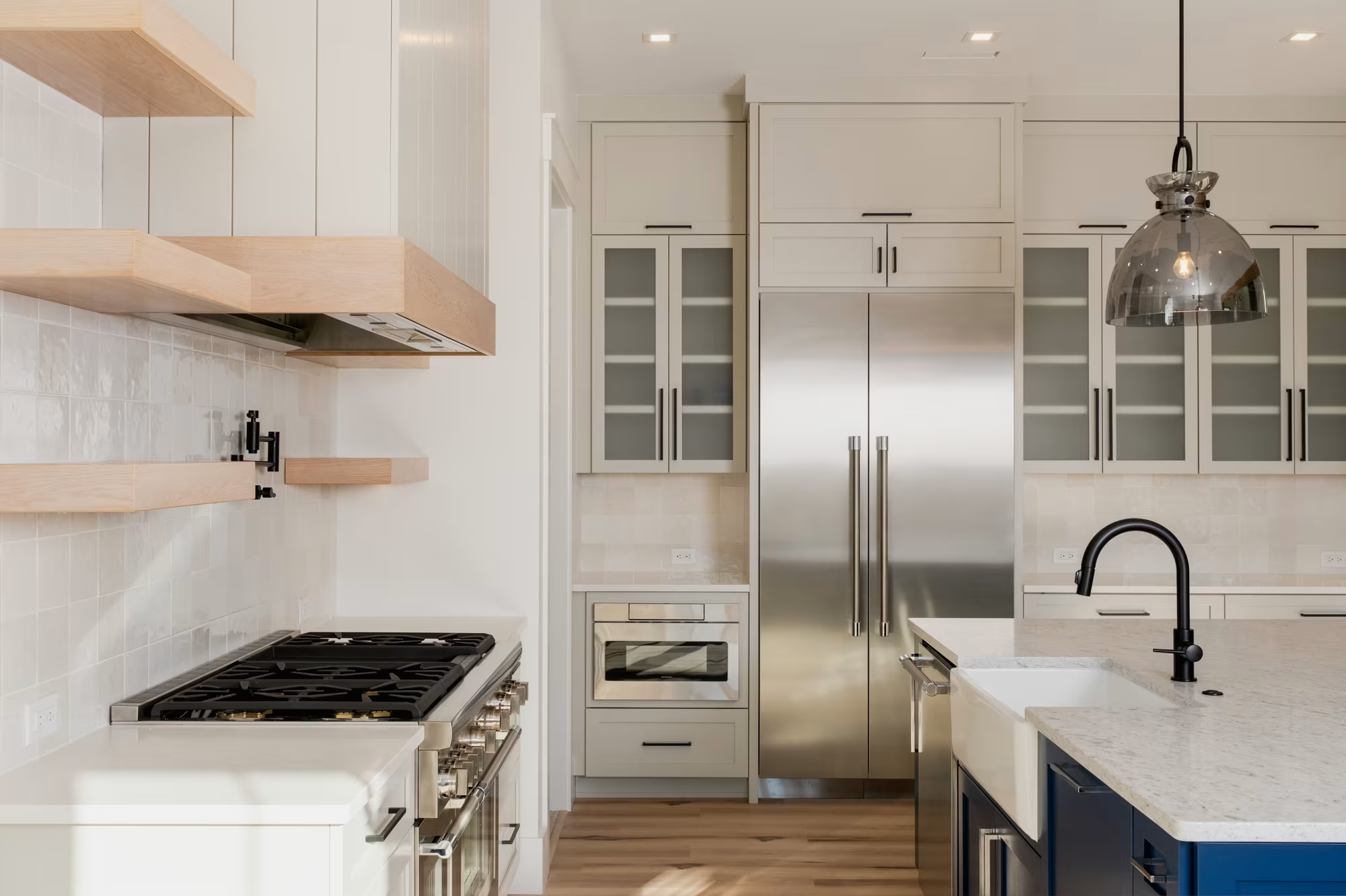
- Open-concept interiors that encourage gathering
Design must consider prevailing wind direction, sun orientation, and privacy from neighboring properties. The goal is to create comfort without sacrificing structural performance.
Custom design is not about adding square footage. It is about aligning the home with how you intend to live in it.
The Importance of Site-Specific Planning
No two Surf City lots are identical. Soil composition, setback requirements, and access limitations vary significantly.
Early site analysis should evaluate:
- Topography and drainage patterns
- Floodplain restrictions
- Utility connections
- Coastal Area Management Act (CAMA) requirements
- Environmental buffers
When these factors are incorporated during planning, costly redesigns are avoided.
A qualified custom house builder in Surf City understands how to navigate these constraints before breaking ground.
Integrating Budget and Design
Coastal construction introduces variables that can affect pricing. Elevation systems, engineering requirements, and material upgrades must be budgeted accurately.
A disciplined custom build process includes:
- Detailed pre-construction budgeting
- Real-time cost adjustments during design
- Transparent allowances
- Early coordination with trade partners
Budget clarity protects both timeline and expectations. Surprises often occur when engineering realities are discovered after design completion. Integrated planning prevents that disconnect.
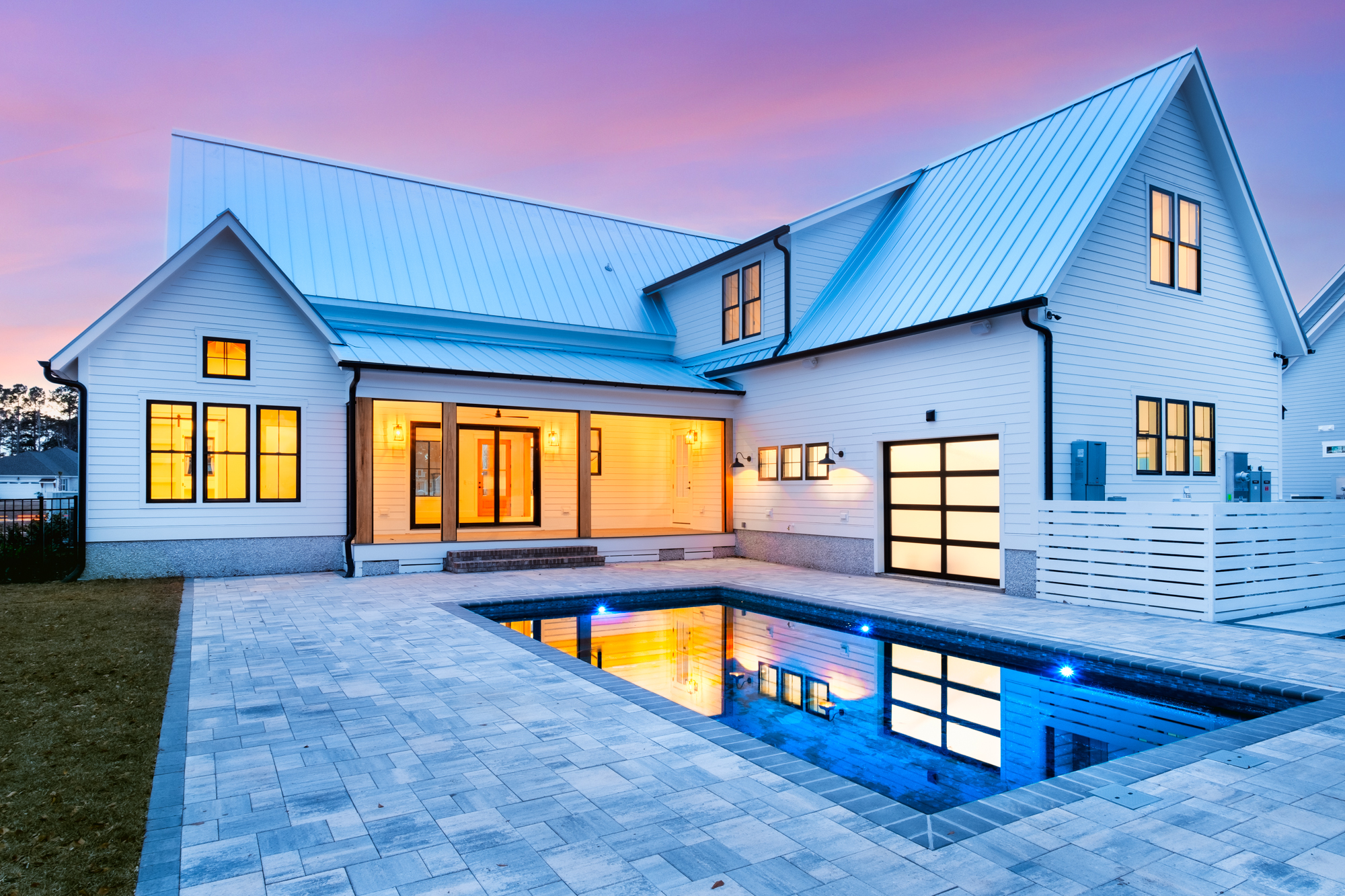
Moisture Management and Building Envelope Performance
Moisture intrusion is one of the most common long-term threats to coastal homes.
Effective moisture control includes:
- Proper flashing installation
- Sealed window and door assemblies
- Advanced weather-resistant barriers
- Ventilation strategies to reduce condensation
The building envelope, the system that separates interior from exterior, must be treated as a technical assembly, not simply an aesthetic shell.
Attention to detail during framing and exterior installation determines whether a home remains structurally sound and comfortable for decades.
Long-Term Maintenance Considerations
A coastal home requires ongoing care. Thoughtful construction can reduce maintenance burdens.
Smart planning includes:
- Selecting finishes that resist salt corrosion
- Designing roof overhangs that protect siding
- Installing hardware that withstands humidity
- Choosing paint systems rated for coastal exposure
Luxury is not defined solely by immediate visual impact. It is defined by how well the home performs ten years from now.
Building with long-term maintenance in mind protects both value and lifestyle.
Accountability and Process Discipline
Barrier island construction leaves little margin for error. Coordination between engineering, permitting, and trade sequencing must be precise.
A structured custom build process should include:
- Pre-construction planning meetings
- Clear milestone scheduling
- Frequent site evaluations
- Transparent communication
When accountability is centralized under one experienced team, complexity becomes manageable.
A well-executed custom home in Surf City feels effortless at completion, but that ease is the product of disciplined planning behind the scenes.
What to Look for in a Custom House Builder in Surf City
Choosing the right builder involves more than reviewing photographs.
Key questions to consider:
- How do you approach elevation and flood compliance?
- What materials do you recommend for salt-air durability?
- How is wind-load engineering integrated into design?
- What is your process for budgeting coastal variables?
- How do you manage moisture control systems?
The answers will reveal whether a builder understands the technical demands of barrier island construction.
Experience in coastal environments is not interchangeable with inland building experience.
Building with Confidence on Topsail Island
Surf City offers a remarkable coastal lifestyle, morning walks along the beach, open-water views, and evenings on elevated decks overlooking the marsh.
But the beauty of the setting demands respect.
A custom home here must be:
- Structurally engineered
- Flood-compliant
- Moisture-protected
- Wind-resistant
- Thoughtfully designed for daily living
When these elements are integrated from the beginning, the result is a residence that balances comfort with resilience.
Begin Your Custom Home in Surf City with Longshore Custom Homes
If you are searching for a custom house builder in Surf City, your project deserves careful planning and experienced leadership.
At Longshore Custom Homes, we specialize in designing and building along the North Carolina coast. Our approach integrates engineering, site analysis, material strategy, and architectural design into one cohesive process. We understand the demands of barrier island construction and build homes that are prepared for them.
If you are considering building in Surf City, we invite you to schedule a consultation. A well-executed coastal home begins with a clear plan and the right team guiding it from concept through completion.