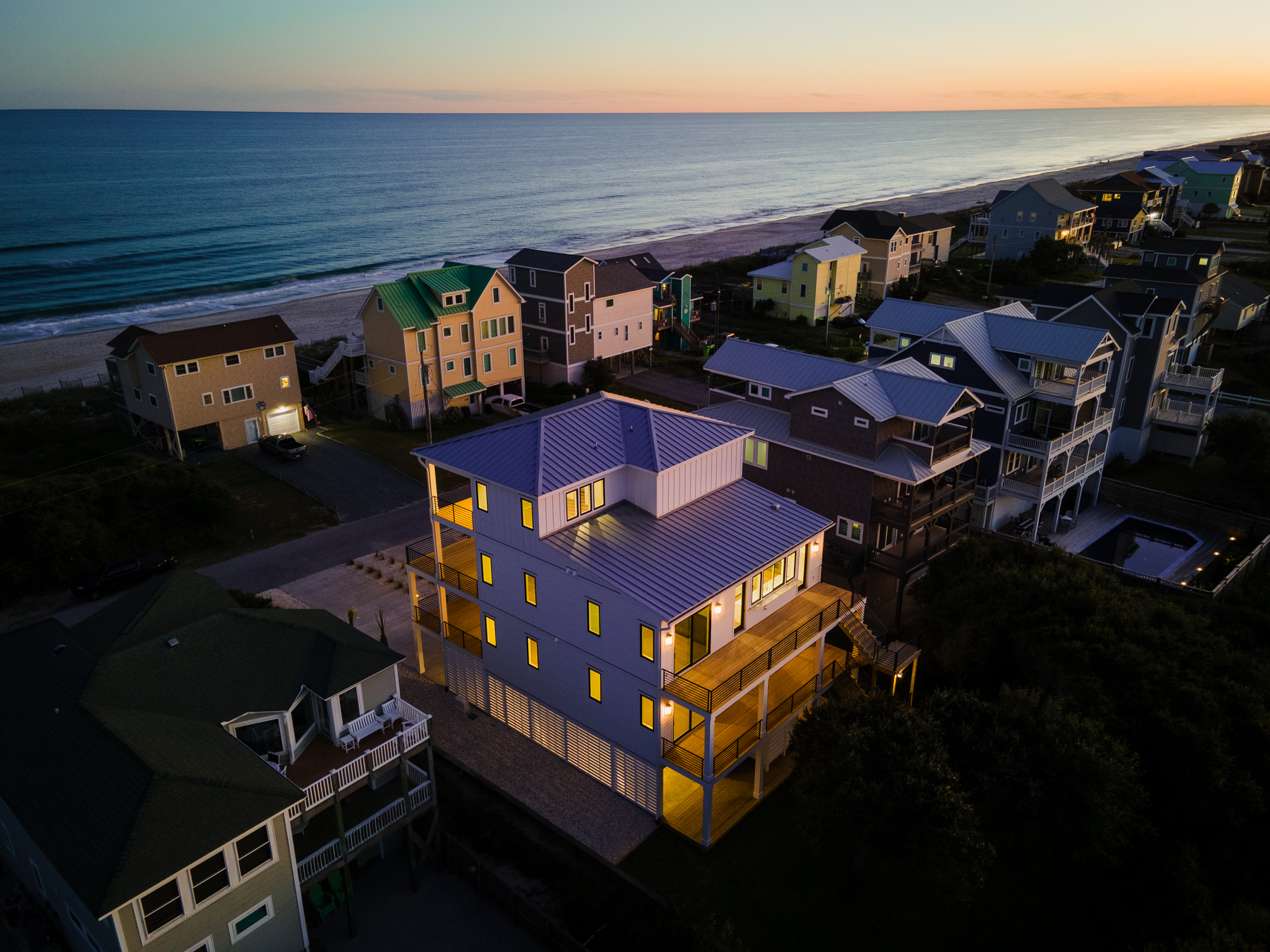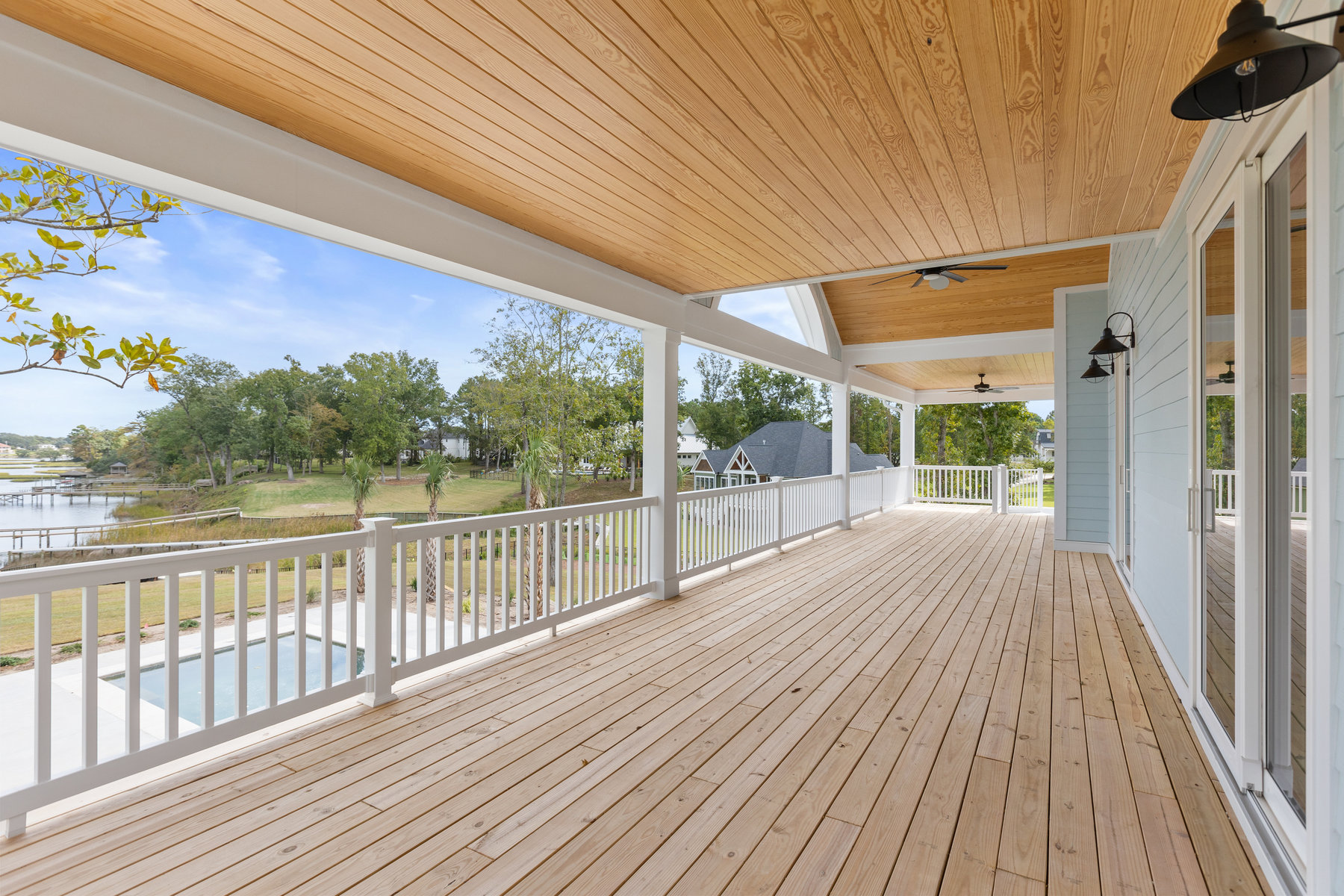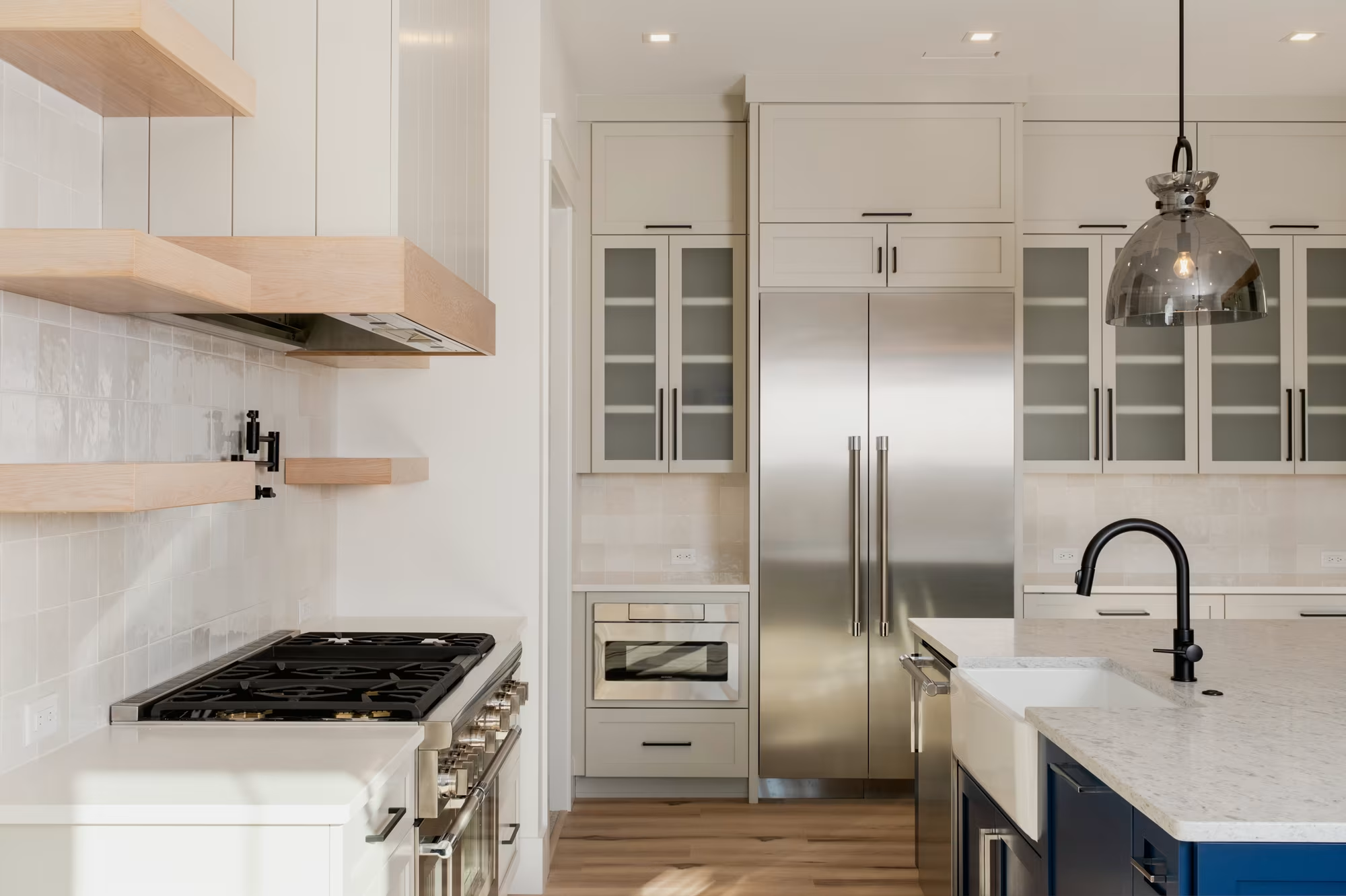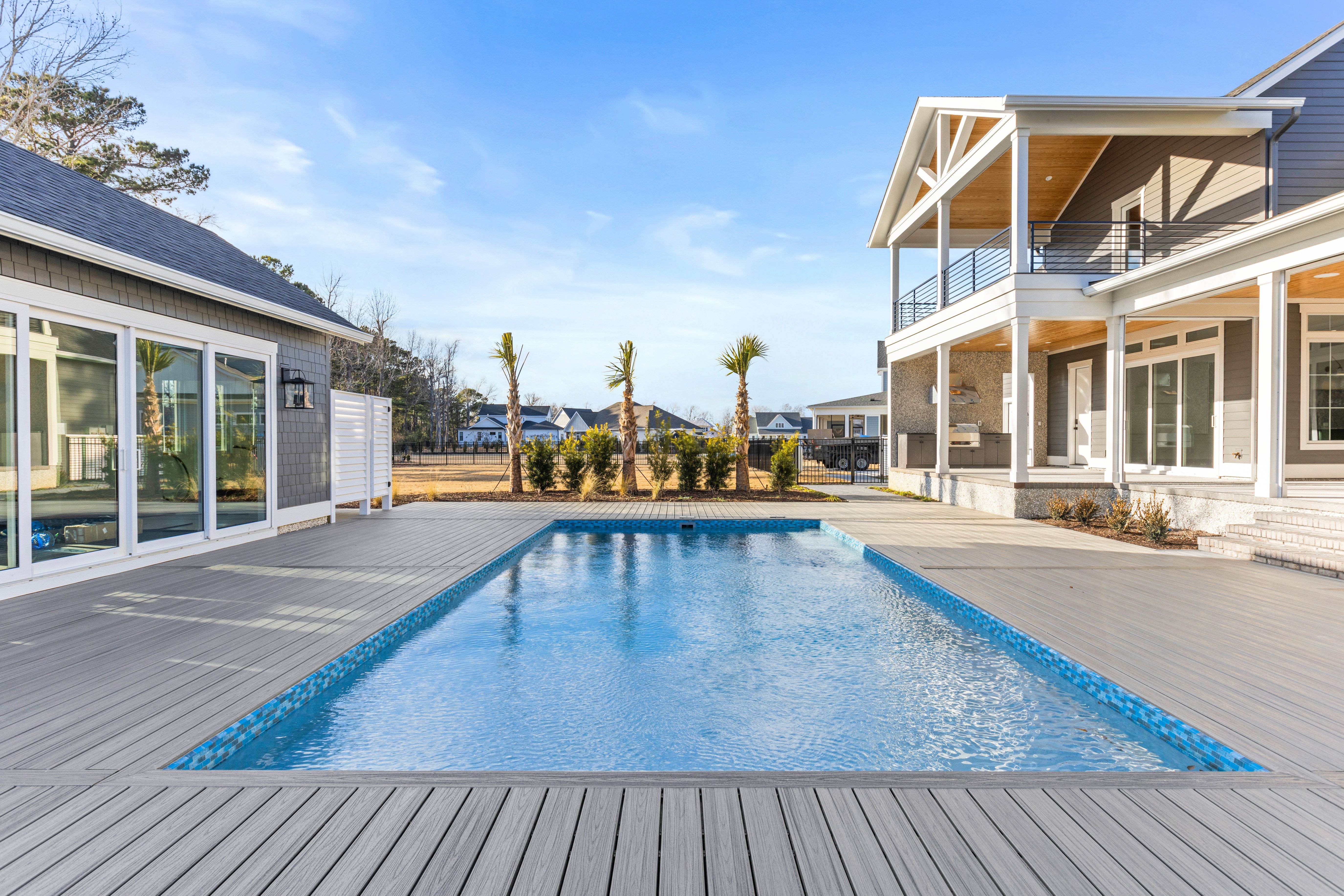
Building a custom home in coastal North Carolina is not simply a larger version of a standard residential project. It is a process shaped by environmental exposure, regulatory oversight, engineering requirements, and long-term durability considerations that do not exist in many inland markets.
For homeowners, the challenge is rarely a lack of inspiration. It is a lack of clarity around what actually happens, when decisions need to be made, and why certain steps matter more in a coastal environment. This guide breaks down the custom home building process in detail, adding practical insights, timing clues, and professional context so homeowners can approach the journey with realistic expectations and confidence.
Stage One: Defining Vision, Lifestyle, and Long-Term Use
Every custom home project begins with intent. Before design or budgets are discussed, homeowners benefit from clarifying how the home will function over time.
This includes questions about:
- Daily living patterns and circulation
- Entertaining and guest accommodations
- Storage needs and flexibility
- Aging in place or multi-generational use
- Seasonal versus year-round occupancy
In coastal North Carolina, this stage must also account for environmental realities. Flood zones, setback requirements, and site access influence what is possible long before a floor plan exists.
Key insight:
Homeowners who align lifestyle goals with site conditions early tend to experience fewer compromises later. Vision without feasibility often leads to redesigns and frustration.
.jpg)
Stage Two: Site Evaluation and Coastal Feasibility Analysis
Site conditions play an outsized role in coastal construction. Two neighboring lots can require very different approaches based on elevation, soil composition, and regulatory overlays.
Feasibility analysis typically considers:
- Base flood elevation requirements
- Soil bearing capacity and groundwater levels
- Environmental buffers and protected areas
- Lot access for construction logistics
- Utility availability and routing
These factors directly influence foundation design, home elevation, and overall project complexity.
Homeowner clue:
Lot price alone rarely reflects build complexity. A less expensive coastal lot may require more engineering and site work than anticipated.
Stage Three: Design Development With Performance in Mind
Design development is where imagination meets physics. Coastal homes often feature open layouts, expansive windows, and strong indoor-outdoor connections, but each of these elements has performance implications.
During this phase, design decisions address:
- Orientation relative to prevailing winds and sun
- Elevation strategies that balance access and compliance
- Roof forms that perform well in high-wind zones
- Porch and deck integration into the structure
- Window sizing, placement, and exposure
The most successful coastal designs balance aesthetics with restraint, ensuring the home performs as well as it looks.
Practical tip:
Ask how specific design features affect long-term maintenance. In coastal environments, detailing matters as much as materials.
Stage Four: Engineering and Technical Coordination
Engineering is the backbone of coastal custom homes. Structural systems must address wind loads, uplift forces, and lateral resistance in ways that go beyond standard residential construction.
Engineering coordination often includes:
- Reinforced foundations and anchoring systems
- Continuous load paths from foundation to roof
- Enhanced fastening and connection details
- Coordination between structural and architectural plans
Mechanical, electrical, and plumbing systems are also carefully planned to manage humidity, airflow, and energy efficiency.
Professional insight:
Engineering decisions made early protect the home long after construction ends. This is one of the most important stages for long-term performance.
Stage Five: Regulatory Review and Approval Processes
Coastal construction frequently involves multiple layers of review. Plans may be evaluated by local building departments as well as coastal management authorities.
This stage can involve:
- Plan revisions to address regulatory feedback
- Adjustments to elevation or setbacks
- Coordination between agencies
- Waiting periods that vary by jurisdiction
While approvals are underway, pre construction planning becomes essential.
Key takeaway:
Permitting is not a pause in progress. It is an opportunity to refine details and prepare for a smoother build.
Stage Six: Pre Construction Planning and Decision Timing
Pre construction is where planning becomes operational. Specifications are finalized, materials are selected, and construction sequencing is established.
Critical decisions often include:
- Final exterior material selections
- Window and door specifications
- Mechanical system layouts
- Finish level confirmation
- Construction schedule alignment
Decision timing insight:
Changes are least costly on paper and most expensive in the field. Finalizing decisions early protects both schedule and budget.
Stage Seven: Site Preparation and Foundation Construction
Construction begins with site work and foundation installation. In coastal areas, this stage must account for elevation accuracy, drainage, and long-term stability.
Foundation systems may include:
- Pilings or deep foundations
- Elevated slabs or stem walls
- Reinforced footings
- Drainage and moisture control systems
Homeowner tip:
Precision here matters. Small errors in elevation or alignment can create lasting issues.
Stage Eight: Framing and Structural Assembly
Framing defines the home’s shape and structural integrity. Coastal framing often includes enhanced fastening schedules, specialized connectors, and careful sequencing to manage exposure.
This stage reveals:
- Room proportions and ceiling heights
- Circulation flow
- Structural relationships between spaces
Clue for homeowners:
Framing walkthroughs are an ideal time to confirm layouts before finishes make changes difficult.
Stage Nine: Building Envelope and Exterior Protection
The building envelope protects the home from wind, rain, humidity, and salt exposure. This stage is especially critical in coastal environments.
Key components include:
- Roofing systems designed for wind resistance
- Impact-rated windows and doors where required
- Weather-resistant barriers and flashing
- Exterior cladding systems selected for durability
Professional insight:
A well-executed envelope reduces maintenance, improves comfort, and protects interior finishes over time.
Stage Ten: Interior Systems and Finish Work
With the home enclosed, interior systems and finishes bring the design to life.
This stage includes:
- Mechanical, electrical, and plumbing installation
- Insulation and air sealing
- Drywall and interior surfaces
- Flooring, cabinetry, and trim
- Fixtures, appliances, and hardware
Custom homes demand coordination and attention to detail. Consistency across spaces often defines the final experience.
Homeowner tip:
Balanced upgrades throughout the home usually deliver better long-term satisfaction than concentrating finishes in one area.
.jpg)
Stage Eleven: Inspections, Testing, and Quality Control
As construction nears completion, systems are tested and inspected to ensure performance and compliance.
This stage verifies:
- Mechanical system operation
- Electrical and plumbing safety
- Code compliance
- Finish quality
Punch list items are addressed methodically.
Key insight:
This phase is about refinement, not redesign. Major decisions should already be complete.
Stage Twelve: Transitioning Into Coastal Homeownership
Move-in marks the beginning of ownership, not the end of the process. Coastal homes benefit from proactive care and informed maintenance.
Homeowners should understand:
- Seasonal maintenance needs
- How materials respond to coastal exposure
- Best practices for protecting exterior elements
- Long-term care strategies
Helpful clue:
Homes designed with coastal conditions in mind are easier to maintain, even if upfront planning was more intensive.
Why Understanding the Process Matters
Custom home construction involves hundreds of interconnected decisions. When homeowners understand the process:
- Expectations become realistic
- Communication improves
- Stress is reduced
- Outcomes are stronger
In coastal North Carolina, where environmental and regulatory factors add complexity, process knowledge is essential.
A Smarter Way to Begin a Coastal Custom Home
A successful custom home is not defined by a single choice or feature. It is the result of informed decisions made consistently over time.
For homeowners considering a custom home along the coast, understanding the full process is the most valuable starting point. Education creates clarity, clarity supports confidence, and confidence leads to better results.