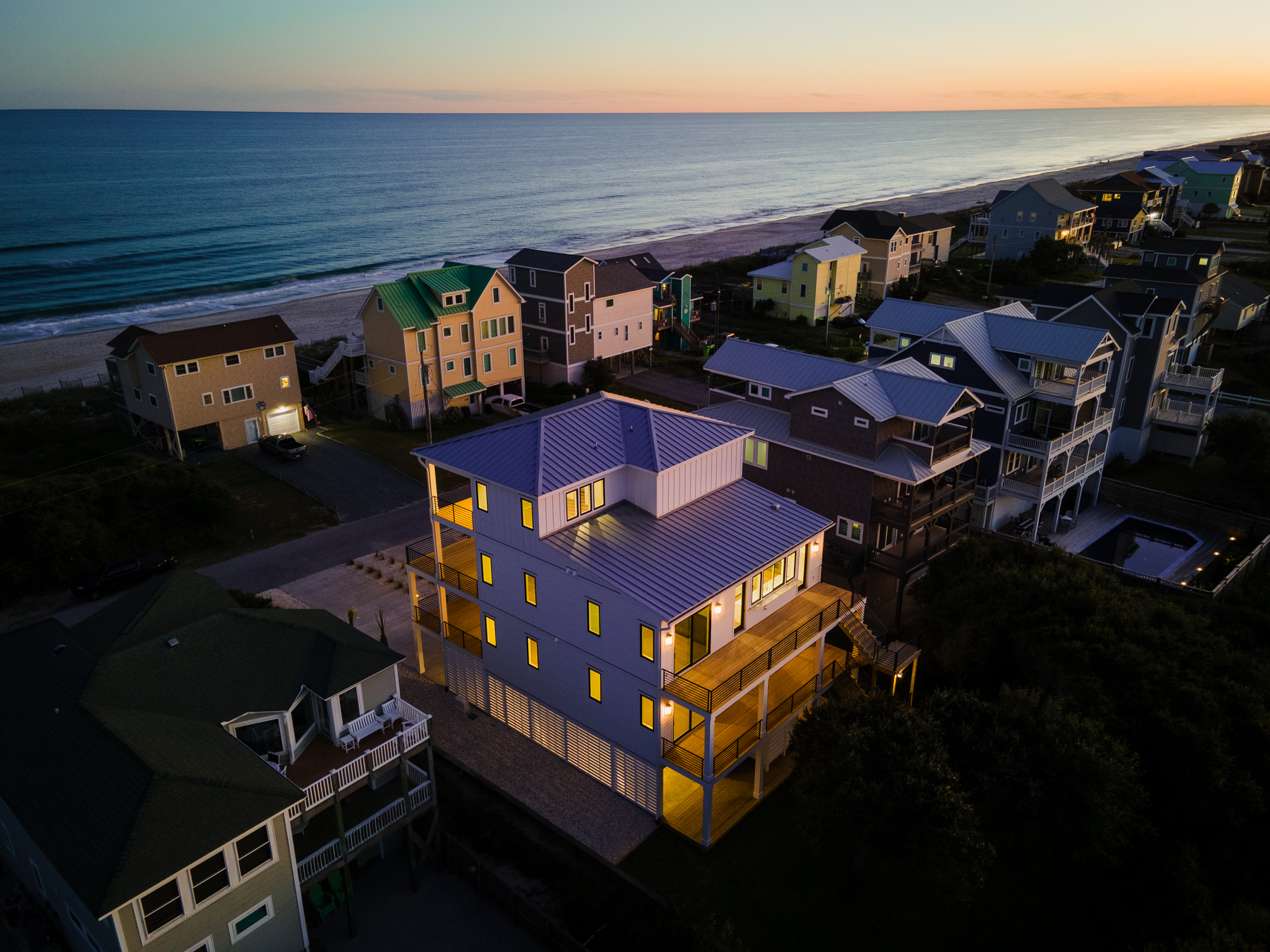
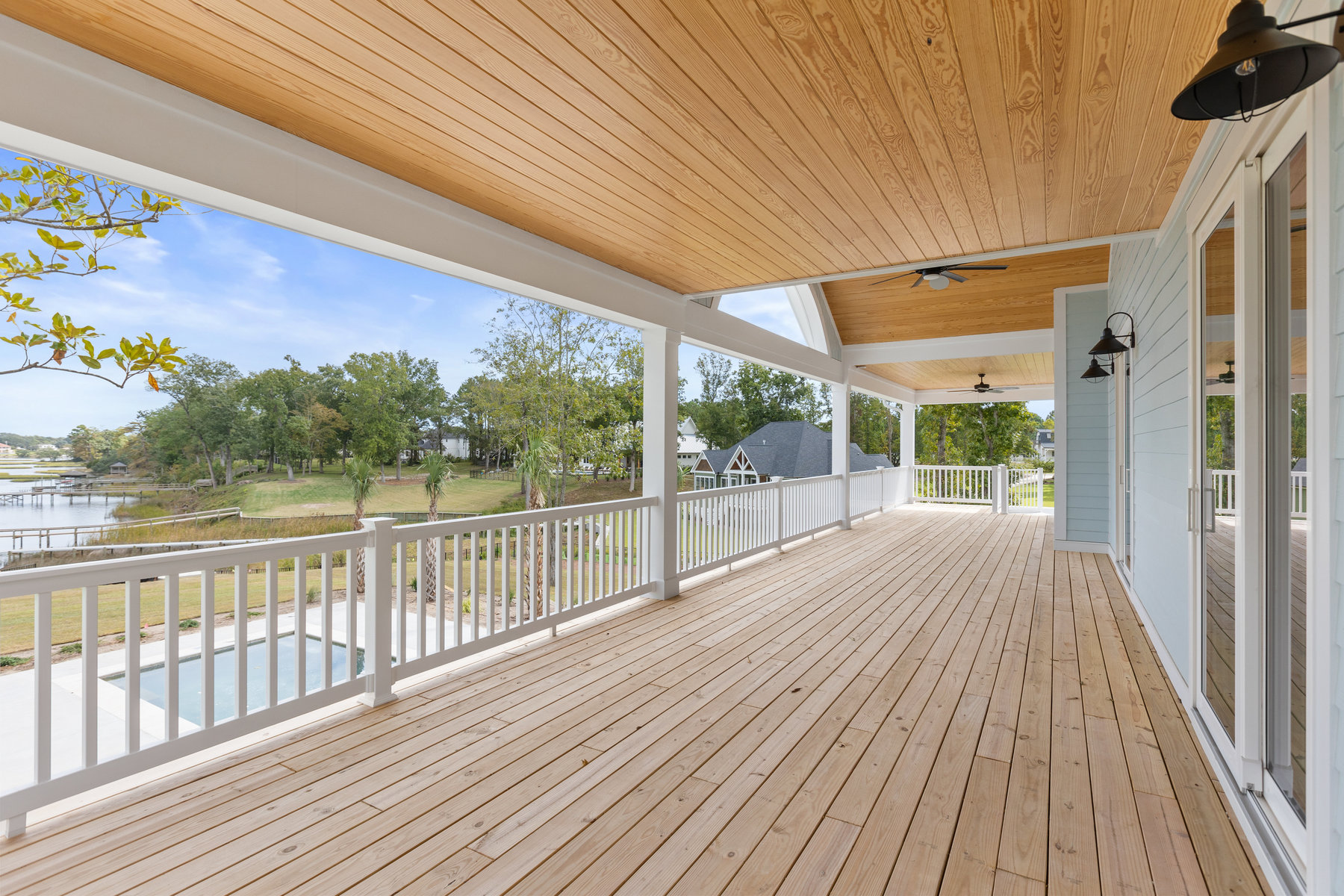
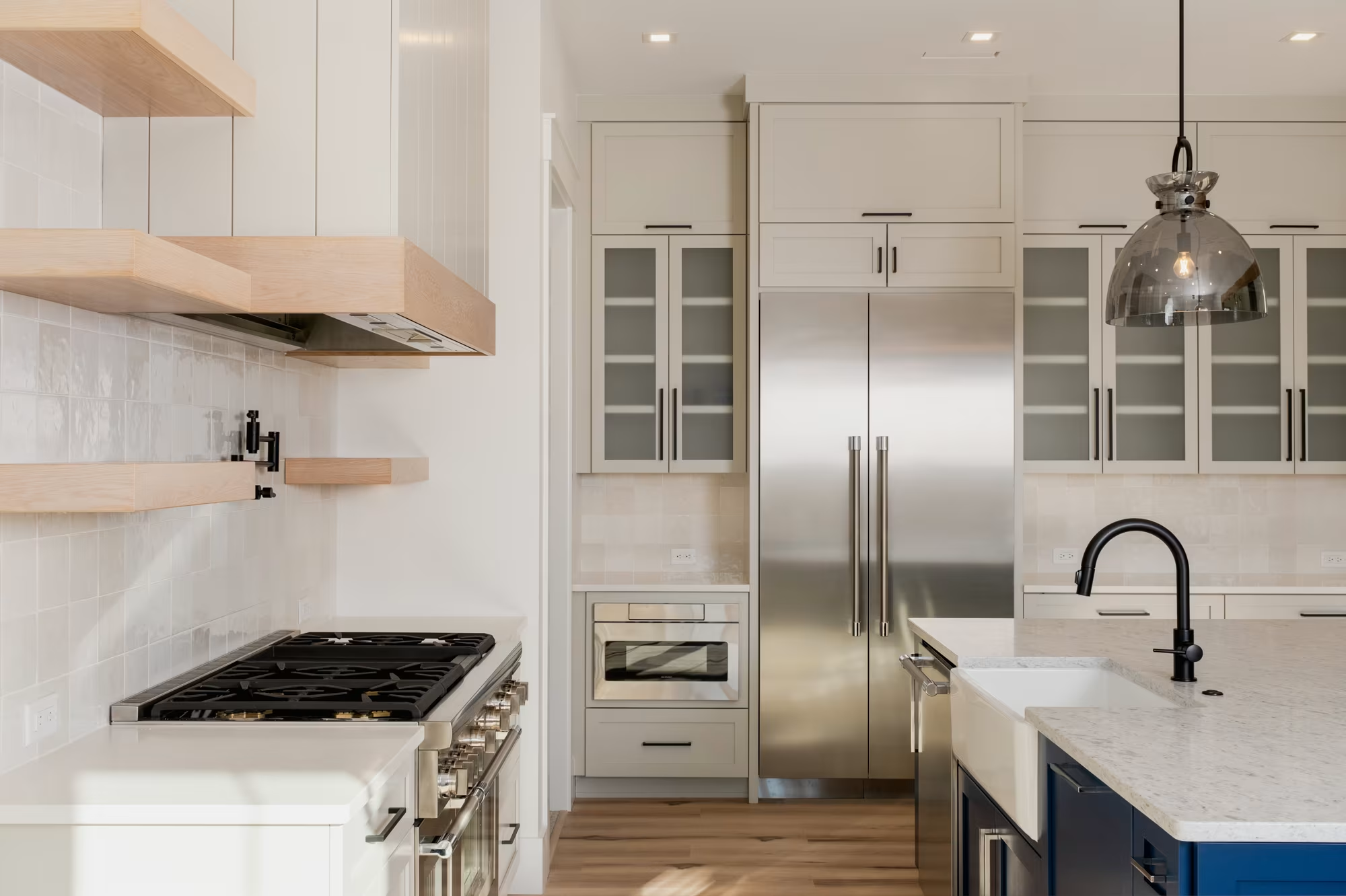
A Commitment to Homes That Last
Along the Carolina coast, building a custom home is more than a construction project. It is a responsibility. The landscape is beautiful, but it is also demanding. Salt air moves freely across the land. Weather patterns shift quickly. Calm days give way to powerful storms, and materials are tested year after year by moisture, wind, and sun.
For homeowners, this environment creates a clear expectation. A coastal home must be comfortable and welcoming, but it must also be strong. It must be built with intention, guided by experience, and shaped by a deep respect for the land it rests on.
At Longshore Custom Homes, integrity is not a slogan or a feature. It is the foundation of every home we build. It influences how we design, how we select materials, how we work with trade partners, and how we communicate with homeowners. Integrity is what allows a home to stand with confidence through decades of coastal living.
A home built with integrity does not simply look finished. It feels secure. It performs quietly. And over time, it proves that every decision was made with care.
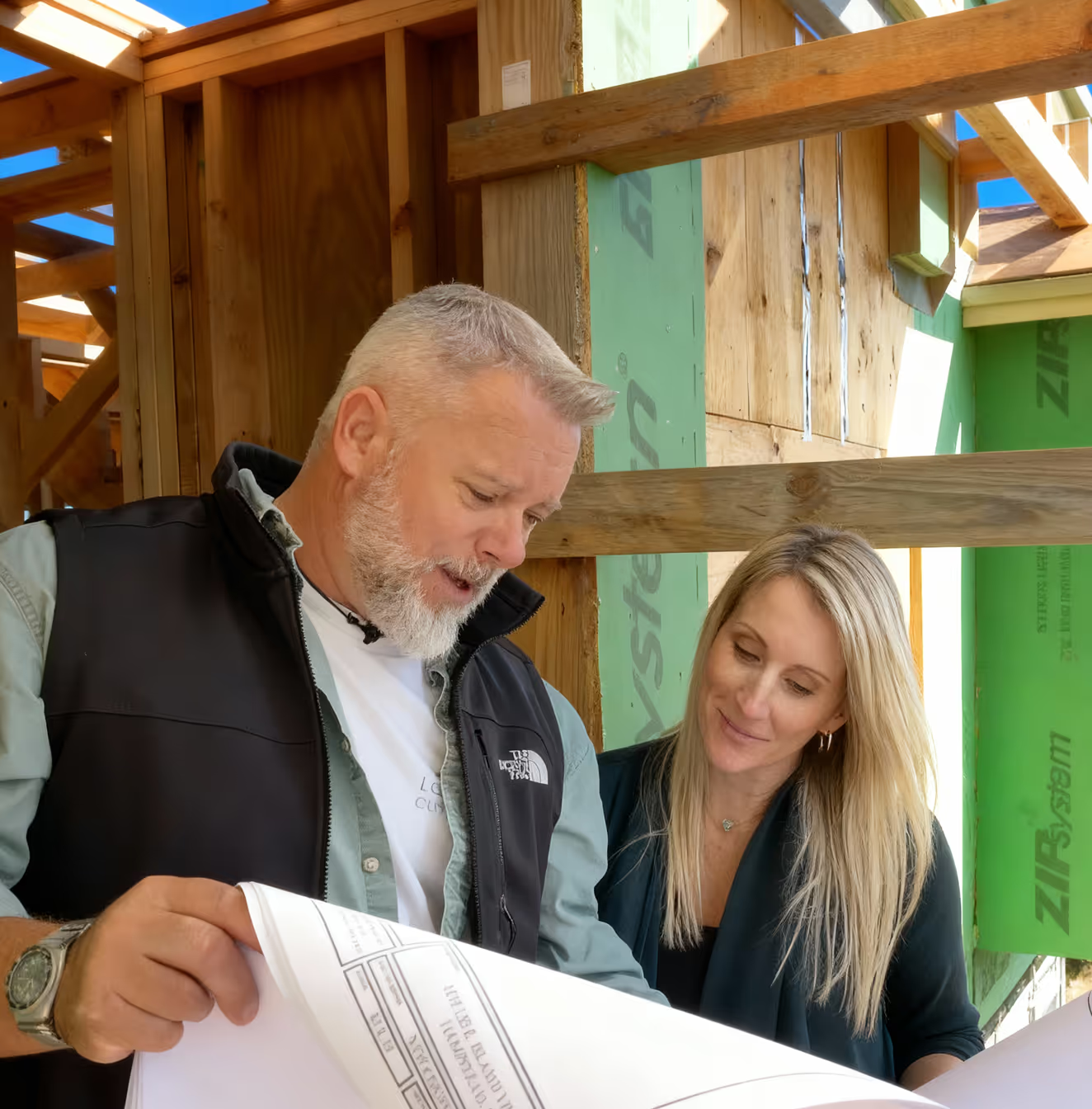
Understanding What Integrity Means in Coastal Construction
Integrity in coastal construction begins with honesty about the environment. The Carolina coast is not forgiving of shortcuts. It reveals weaknesses slowly and consistently. A flashing detail that is rushed, a material that is poorly suited, or a system that is undersized may not fail immediately, but over time the coast will expose it.
Building with integrity means acknowledging these realities from the very beginning.
It requires:
- Respect for the power of wind, water, and humidity
- Willingness to go beyond minimum standards when necessary
- Commitment to quality even in areas that remain unseen
- Clear communication when challenges arise
- Decisions guided by long-term performance, not short-term convenience
Integrity is demonstrated in the choices that are easiest to overlook.
The Coastal Environment Shapes Every Decision
The Carolina coastline is defined by marshland, open waterways, sandy soils, and constant airflow. These conditions influence how a home must be designed and built if it is going to last.
Before design begins, we study:
- Prevailing wind patterns and seasonal shifts
- Moisture levels and salt exposure across the site
- Soil composition and how it responds to weather changes
- Drainage paths and water movement during heavy rain
- Sun exposure and its effect on materials and comfort
This understanding informs every structural and architectural decision that follows. A home built without this context may look appropriate on day one, but it will struggle to perform over time.
Integrity means letting the land guide the build rather than forcing a design onto it.

Foundations Built for Strength and Stability
A strong home begins at the ground level. Coastal foundations require careful evaluation because soil conditions vary widely across the region. Sandy or loose soils, proximity to water, and elevation requirements all influence foundation design.
Building with integrity means:
- Selecting foundation systems appropriate to the site, not a standard template
- Designing elevation with both protection and livability in mind
- Coordinating closely with structural engineers who understand coastal conditions
- Ensuring load paths are continuous and well supported
Elevated foundations are common along the coast, not only for flood protection but also for ventilation and durability. When designed well, they become an architectural asset rather than a compromise.
Integrity is present when the foundation is designed to support the home quietly and reliably for decades.
Structural Systems That Work with the Coast
Above the foundation, the structural frame becomes the backbone of the home. In coastal environments, this system must be able to transfer wind loads, resist uplift, and remain stable through changing conditions.
A home built with integrity includes:
- Reinforced connections between roof, walls, and foundation
- Framing systems designed to distribute forces evenly
- Roof structures shaped to manage wind rather than fight it
- Structural details that remain hidden but essential
These elements are rarely visible once the home is complete, but they are among the most important. Integrity is often strongest in the parts of the home that homeowners never see.
Materials Selected for Long-Term Performance
Material selection is one of the clearest expressions of integrity. Coastal homes demand materials that resist moisture, humidity, and corrosion while still supporting refined architectural design.
We evaluate materials based on:
- How they perform in salt air
- How they respond to seasonal humidity changes
- How they age over time
- How much maintenance they require
- How well they integrate with other systems
Durable exterior cladding, corrosion-resistant fasteners, stable wood products, and carefully chosen stone and metal elements all play a role. Inside the home, materials must continue this performance while contributing to comfort and beauty.
Integrity means choosing materials for how they live, not just how they look.

Balancing Strength with Architectural Elegance
A common misconception is that strength must look heavy or industrial. Along the Carolina coast, the most successful homes feel light, open, and graceful, even while being structurally robust.
Integrity lies in achieving this balance.
This means:
- Designing clean rooflines that guide wind naturally
- Using proportion and form to create visual calm
- Selecting materials that feel appropriate to the coastal setting
- Avoiding unnecessary complexity that introduces risk
When structure and architecture work together, the home feels effortless. Strength becomes invisible, and beauty takes the lead.
Craftsmanship as a Daily Standard
Integrity is revealed in craftsmanship. Precision, consistency, and care are not accidents. They are the result of high standards and experienced hands.
Signs of integrity-driven craftsmanship include:
- Millwork that aligns cleanly and consistently
- Flooring installed with attention to movement and transition
- Doors and windows that operate smoothly and seal properly
- Clean intersections between materials
- Details that feel intentional rather than improvised
These details influence not only appearance but also performance. Gaps invite moisture. Misalignment leads to wear. Careful work protects the home at every level.
Building with the Right Partners
No home is built by one person. Integrity depends on the people involved in the process. Longshore works with trade partners and suppliers who share the same commitment to quality and accountability.
Trust among the team allows for:
- Clear communication
- Proactive problem solving
- Consistent standards across every phase
- Pride in the finished home
A team aligned by integrity builds homes that feel cohesive and confident.
A Construction Process Defined by Transparency
Integrity extends beyond materials and craftsmanship. It shapes how the project is managed and how homeowners are guided through the journey.
Transparency is essential. Homeowners deserve to understand:
- Why certain decisions are made
- How materials are selected
- What to expect at each phase
- How timelines and costs are managed
Clear communication builds trust. It allows homeowners to feel confident rather than uncertain. Integrity is present when questions are welcomed and answers are given honestly.
Planning for the Long Term
A coastal home must be prepared not only for today but for decades of use. Integrity requires thinking beyond completion day.
This includes:
- Mechanical systems placed to avoid moisture exposure
- Ventilation strategies that manage humidity year-round
- Roofing systems designed for wind and water control
- Drainage plans that protect the structure over time
- Electrical and plumbing systems planned for future needs
Homes built with integrity age more gracefully because they were prepared for the realities of coastal living from the start.
Architecture as a Structural Strategy
Architecture influences how a home responds to the environment. Roof shapes, wall placement, and massing all affect wind flow, water management, and long-term durability.
A thoughtfully designed coastal home often includes:
- Simple, efficient roof forms
- Balanced layouts that reinforce structural stability
- Window placement that supports both light and protection
- Exterior forms that feel grounded and appropriate
Integrity is strongest when architecture and engineering support one another.
Interiors That Reflect Lasting Values
Integrity is not only structural. It is also present in how interiors are designed. Coastal interiors must handle humidity, light, and daily use while remaining comfortable and inviting.
Longshore interiors emphasize:
- Natural materials that age well
- Neutral palettes that adapt to changing tastes
- Proportions that remain balanced over time
- Light-filled spaces that feel calm and welcoming
A home built with integrity should feel just as comfortable years later as it did on move-in day.
A Home That Becomes a Legacy
When a home is built with integrity, it becomes more than a residence. It becomes part of a family’s story. It holds memories, supports daily life, and stands as a reflection of thoughtful decisions made with care.
Integrity ensures that:
- The home remains reliable through changing seasons
- Beauty endures without constant repair or replacement
- Comfort is consistent year after year
- Pride of ownership grows over time
This is the difference between a house and a lasting home.
A Commitment That Guides Every Longshore Home
At Longshore Custom Homes, integrity guides every choice. It influences how we design, how we build, and how we support homeowners long after construction is complete.
Our commitment is simple and unwavering. We build homes that:
- Respect the power of the coastal environment
- Reflect careful craftsmanship
- Communicate honesty and transparency
- Deliver strength without sacrificing beauty
Built for the Coast, Built to Last
The Carolina coast offers a rare blend of tranquility and strength. A home built here must honor both. When built with integrity, it stands comfortably within the landscape, welcoming calm days and weathering demanding ones with equal confidence.
A Longshore home is built for families who value quality, craftsmanship, and trust. It is built with care. It is built for the future. It is built with integrity.