Building a custom home is one of the most significant investments a family can make, especially in a diverse and fast-growing region like coastal North Carolina. Whether you’re drawn to the peaceful beaches, quiet wooded lots, or vibrant suburban communities along the coast, the right custom builder will make all the difference in your experience and final result. At Longshore Custom Homes, we guide homeowners through every step of the custom homebuilding journey with care, clarity, and a deep understanding of the coastal lifestyle. These practical tips can help you select the best builder for your vision, your lot, and your goals.
1. Prioritize Local Expertise and Coastal Experience
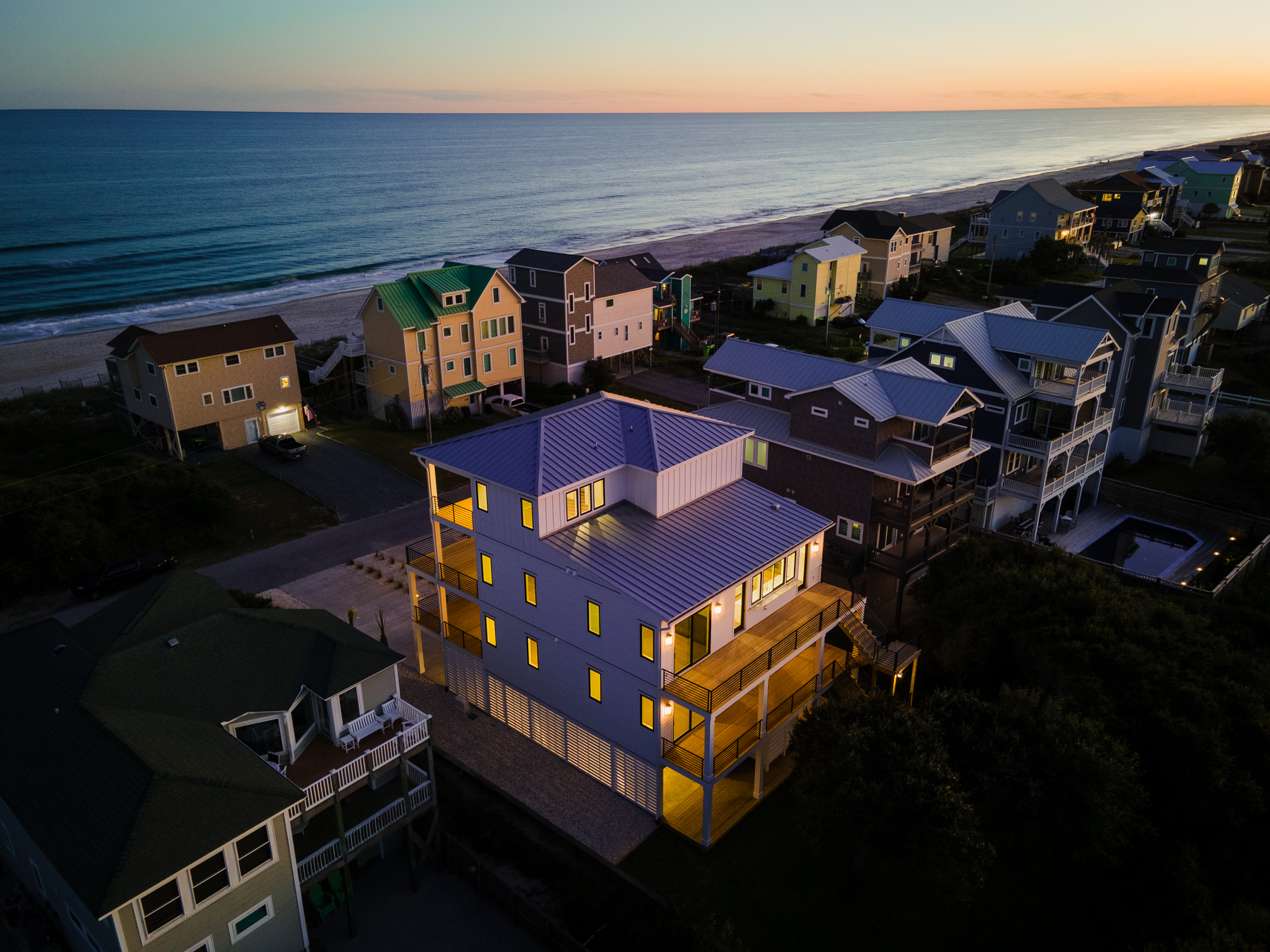
Coastal North Carolina’s geography brings unique opportunities and challenges. From flood zones to salty air and storm exposure, building near the coast requires a builder who understands local permitting, environmental conditions, and structural needs. Longshore Longshore Custom Homes is based in Hampstead and serves the entire coastal North Carolina region. We build homes that suit the landscape and way of life in this area, using features like elevated foundations and thoughtful coastal ventilation. Our team also works closely with zoning boards, homeowners associations, and local planning offices to keep your project moving forward with confidence.
2. Look for a Design-Build Model That Keeps You in Control
One of the most important decisions you’ll make is choosing between a traditional build model and a design-build approach. With traditional building, you hire separate architects, designers, and contractors. That often leads to gaps in communication, timeline delays, and a lack of accountability. Longshore’s design-build model solves that by keeping all services under one roof, from architectural design to interior selections and construction management. This unified process improves communication, eliminates guesswork, and makes it easier for you to stay involved throughout every stage of your home’s creation.
3. Review Their Past Projects and Client Process
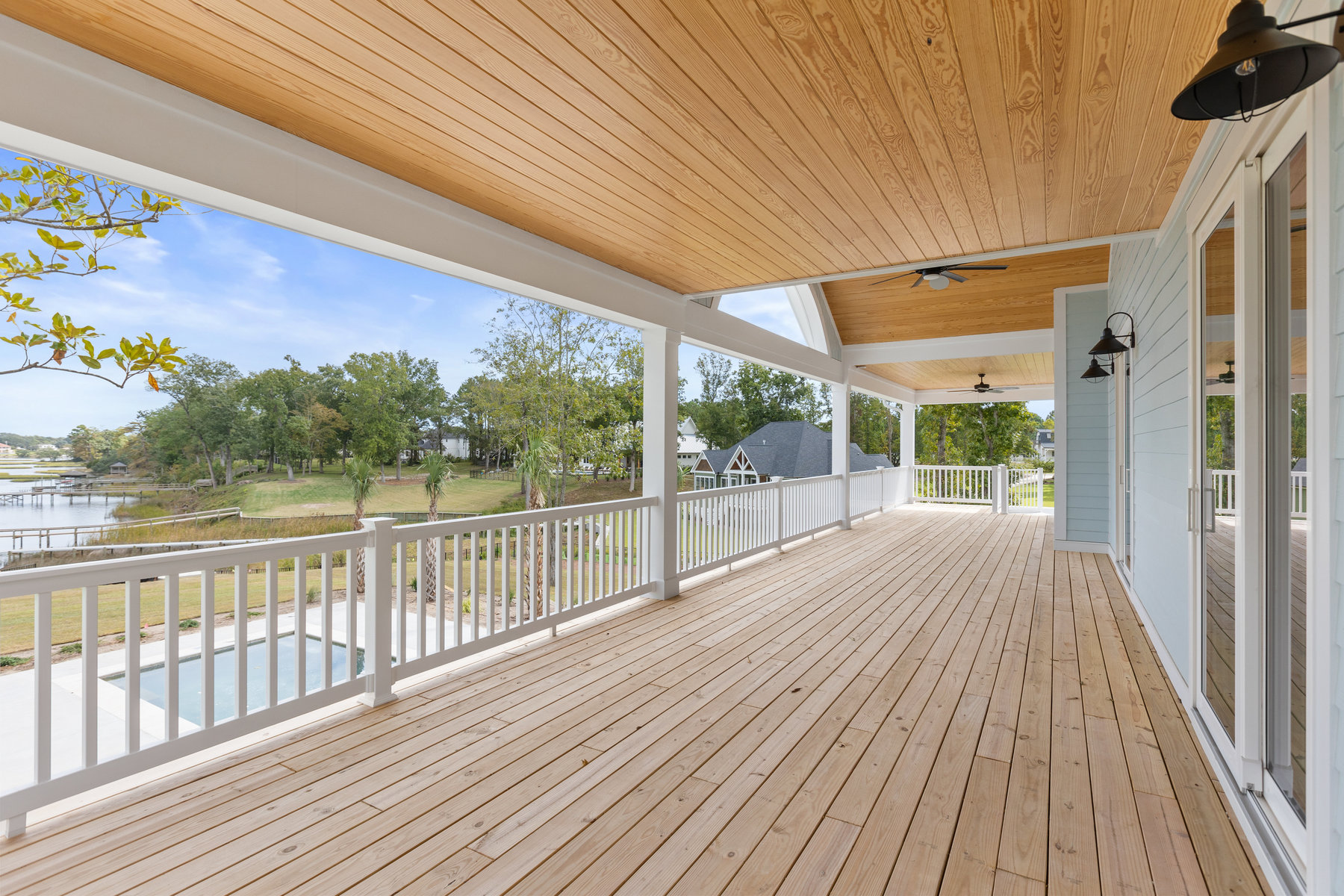
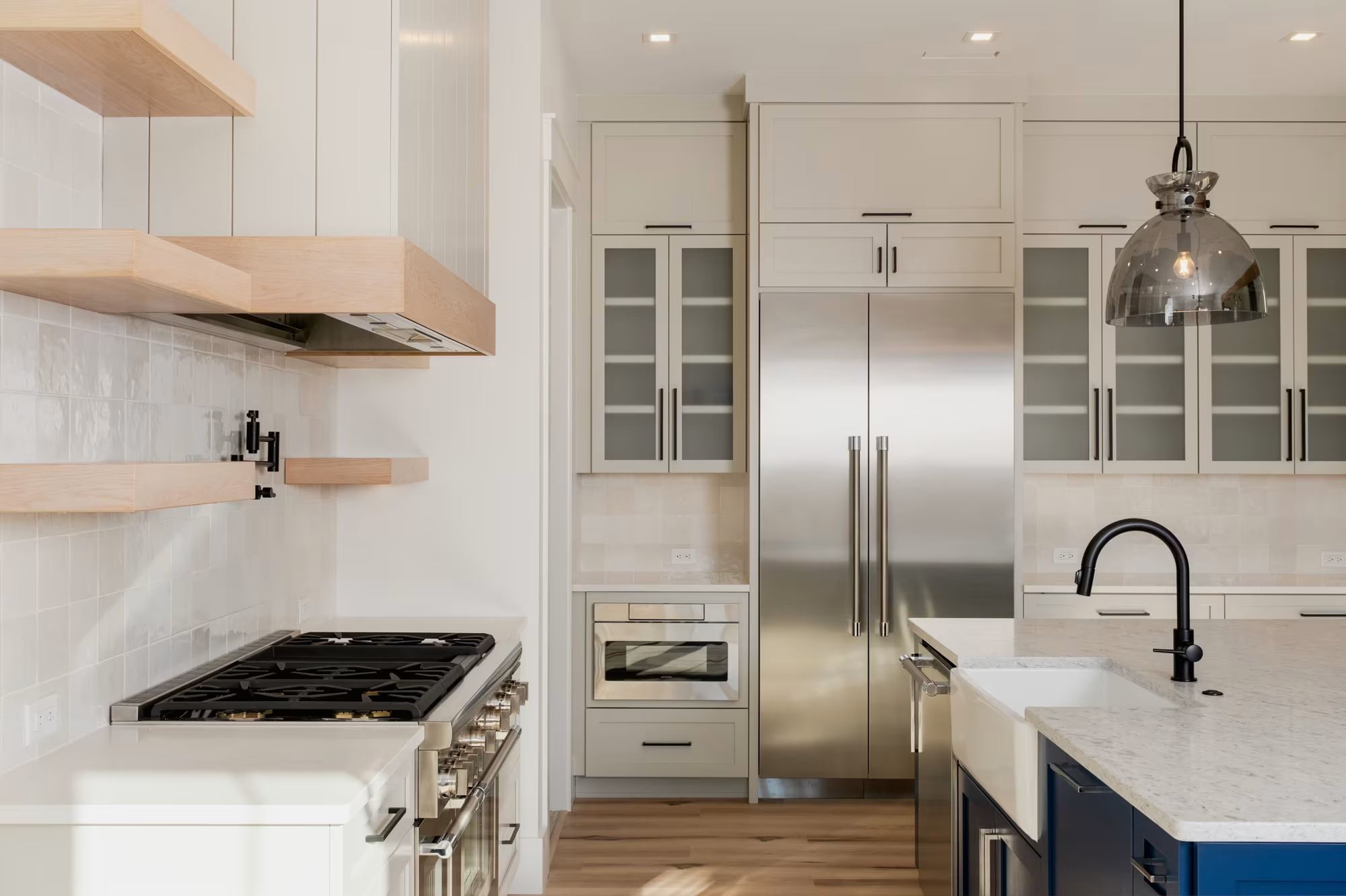
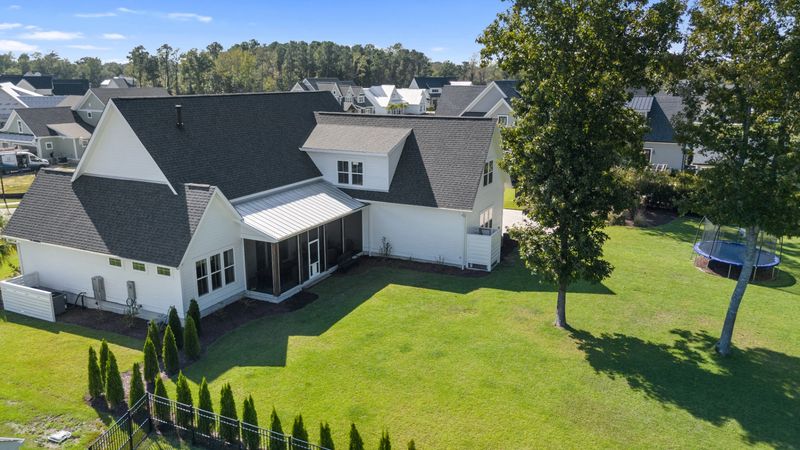
A builder’s past work is often the best indicator of future results. Ask to see completed homes similar to what you envision, and request to speak with past clients. At Longshore, we keep our project volume intentionally limited so we can focus on each client individually. Our portfolio reflects a range of styles, but every home shares one thing in common: a process rooted in transparency, communication, and quality. We involve our clients in key decisions, provide regular updates, and guide them through selections, permitting, and inspections with clarity and professionalism.
Thinking about building in Hampstead, Wilmington, or anywhere along coastal North Carolina? Reach out to Longshore Custom Homes today and discover how our team can help turn your vision into a lasting home.
4. Evaluate Transparency in Budgeting and Scheduling
Budget and timeline issues are among the most common frustrations in custom homebuilding. A reputable builder should provide detailed estimates and realistic schedules with clear explanations of where costs may vary. Longshore uses a transparent budgeting model that includes itemized allowances and full access to your project timeline. We believe informed clients make better decisions, and we’re committed to eliminating surprises wherever possible. If you're comparing builders, look closely at how they present their numbers. Vague pricing or unclear processes are red flags that can lead to costly delays.
5. Look for Personalized Design Flexibility
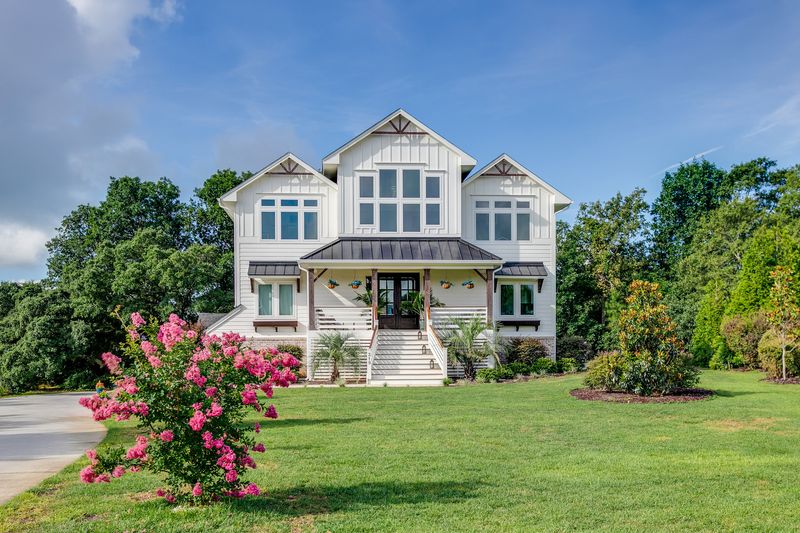
Every family lives differently, and a true custom home should reflect that. Avoid builders who offer “semi-custom” plans with limited flexibility. At Longshore, we offer three design pathways. You can work with us to create a brand-new plan from scratch, modify one of our pre-designed Longshore floor plans, or bring your own ideas and work with our in-house architectural team to refine them. No matter the path you choose, your layout, materials, and finishes will be tailored to your daily life, your lot conditions, and your long-term goals. Whether you need a multigenerational layout or a reverse floor plan to capture ocean views, we’ll help you get there.
6. Make Sure the Builder Is Licensed, Insured, and Local
Custom homebuilding requires more than craftsmanship, it demands regulatory knowledge, insurance coverage, and a solid relationship with the community. Longshore is fully licensed and insured in North Carolina. We also live and work here, meaning we’re always available for site visits, warranty service, or future expansions. Our local roots allow us to stay responsive and committed for the long term. When you build with a team that knows your neighborhood and may even be your neighbor you benefit from deeper accountability and service.
7. Ask About Post-Construction Support and Warranty
The custom home process doesn’t end when you move in. Be sure your builder offers a clear warranty policy and ongoing support. Longshore Custom Homes provides a one-year warranty on finishes and a six-year structural warranty, with a clear process for service and repairs if needed. We continue to support our homeowners long after project completion, and we believe that trust is earned not just during the build, but through every follow-up conversation and solution afterward.
8. Take a Close Look at Their Communication Style
Building a home takes months of interaction, decisions, and updates. Your builder should be a partner who keeps you informed, answers questions, and responds quickly to your concerns. At Longshore, we emphasize responsive, respectful communication from day one. We hold regular check-ins, provide access to project status, and make sure you always have a direct line to our team. From our first meeting through final walkthrough, you’ll never be left wondering what’s next.
Final Thoughts: A Checklist for Choosing Your Builder
Before signing a contract with any custom builder, consider this quick checklist:
- Do they have proven experience building in your preferred area?
- Are they truly custom or only semi-custom?
- Do they manage design and construction in-house?
- Is their pricing process clear and itemized?
- Will you be working with a small, focused team?
- Do they provide a structural and finish warranty?
- Have you seen examples of homes they’ve built recently?
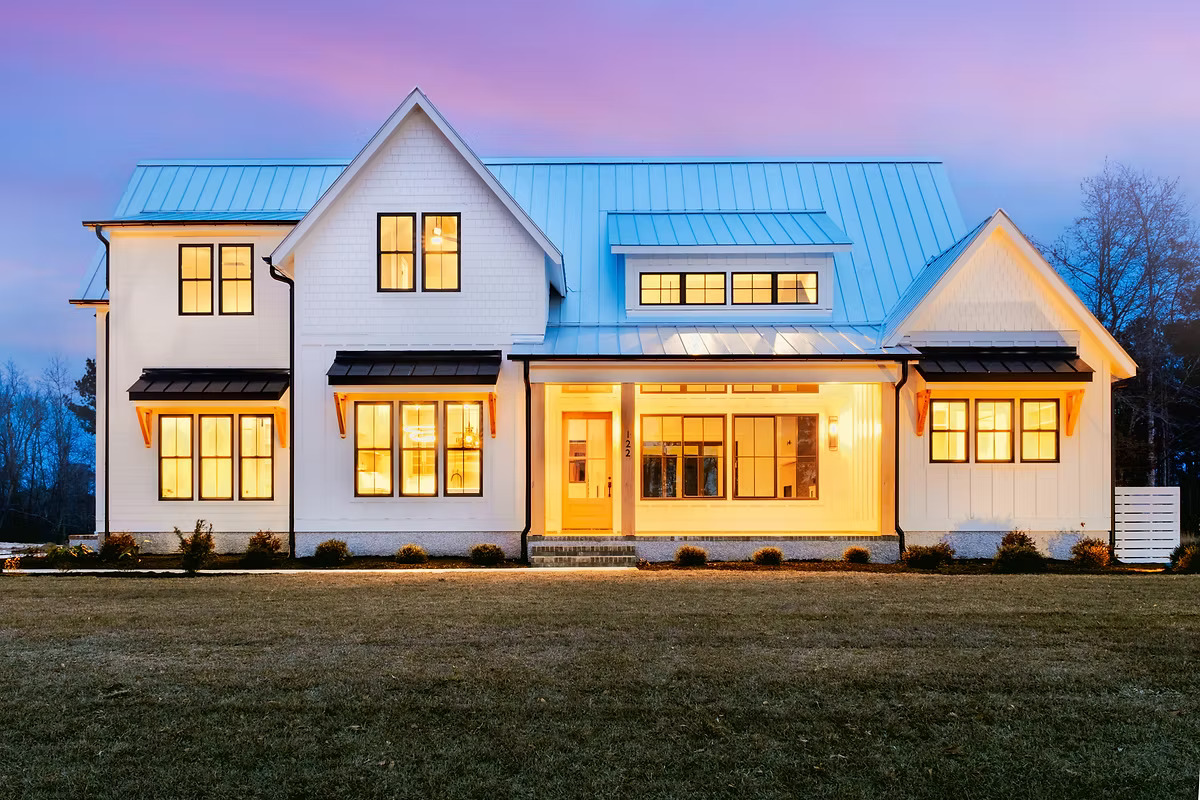
If the answer is yes to all of these questions, you're likely in good hands. At Longshore Custom Homes, we’re proud to serve the North Carolina coastal region with a level of service that reflects our roots, our values, and our promise to build homes that last a lifetime.
Looking to build in North Carolina’s coastal corridor? Let’s talk. Longshore Custom Homes is here to help you build with confidence.